Discover Our Categories




Explore Athletes, Recipes & Advice
Discover performance stories, protein-packed recipes and expert nutrition tips.

Sebastian has established himself as one of well-known names in international Hyrox. After rapidly progressing from outside the top ranks to competing among the world’s elite, he has become known for his relentless work ethic and ability to perform under pressure.
Read More
Put everything into a blender and blend together until combined. Serve immediately in two tall glasses.
View Recipe
1. Yanovski, J.A et al., 2000. A prospective study of holiday weight gain. New England Journal of Medicine, 342(12), pp.861-867
Consistency and lifestyle choices are key elements to sustaining weight loss and maintaining a healthy weight in the long-term. However, this can be challenging for people over the festive period with festive work events, more easily available high-calorie foods and a lack of time to train to contribute to excess weight gain. Can the decisions made during the festive period really lead to long term weight gain?
Many clients focus on Christmas as the endpoint for their weight loss goal or as a time to take a serious break from ‘dieting’ hoping that the weight gained over this time will be lost in the New Year. However it may be surprising to find that research has found that the average weight gain over the festive season can be up to 5kg which is never fully reversed throughout the subsequent year. This weight gain over time contributes to a greater up-hill weight loss battle for your client. With this in mind it is probably best to advise clients not to eat or drink too much over this period! Advising clients on their mindset and a couple of easy to implement nutrition ‘watch-outs’, will help reduce their susceptibility to long term weight gain.
1. Maintain weight over the Festive Season
Clients often set an unrealistic expectation of weight loss all year round. It is important as their PT that you manage this expectation during periods of over-indulgence to ensure clients remain motivated at other times of the year and to maintain the success of your programme. It is valuable for the client to set a goal of weight maintenance around these times in order to give the client more flexibility to enjoy the party season. Switching the client’s mentality to becoming comfortable with maintaining their progress at this time of year is a licence that many need to enjoy the festive period without guilt. This will reduce their anxiety around their weight and help them realise that fitness and nutrition are not something that should stop or be forgotten about but instead altered to match changing goals and priorities throughout the year.
2. Reduce their caloric intake in the lead up to Christmas
Calories in versus calories out is not a static model. The great advantage of this is that we can change caloric intake over a longer period of time to suit the client’s upcoming goals and needs. Reducing your client’s caloric intake in the 1-2 weeks before Christmas allows them to“bank” or “save” their calories for the festive period. Christmas should be about maintaining progress so the week before and/or Christmas week clients should be back to maintenance calories. This gives the client flexibility over the Christmas period and also creates an awareness of a dieting strategy that suits their lifestyle and that life should not just be one big diet!
So let’s say you usually set your clients a daily calorie target of 2,000, which means they are in a daily deficit of 500 calories. This means that their maintenance calories are 2,500 per day. Dropping their calories lower than 2,000 in the run-up to Christmas to “save” for Christmas week gives them more flexibility over the festive period. For example, for the week before Christmas, dropping calories to 1,500 daily and as we have just identified, their maintenance is 2,500 – this means that they have “saved” 1,000 calories per day or 7,000 for the week. Now let’s say we bring them to maintenance calories (2,500 per day or 17,500 per week) for Christmas week and add back in the calories they have just saved in the previous week (7,000). It means they can now have 24,500 (17,500 + the 7,000 saved) calories on Christmas week without hindering their weight loss goal. 24,500 calories equate to 3,500 calories per day (24,500/7)!! So as you can see, this simple swap gives your clients so much more flexibility and reduces any food anxiety that may have previously existed.
3. Identify low hanging fruits
The low hanging fruit in a client’s nutrition plan are just simply small changes that can lead to a significant reduction in calories. The most common low hanging fruits over Christmas are alcohol and fizzy drinks. Over the festive period most clients significantly increase their alcohol intake. Making them aware of small changes could save a significant amount of calories and make a massive difference to their weight maintenance goal. Similarly fizzy drinks and mindlessly eating chocolates is an easy way of racking up calories without noticing! Swapping calorie-dense alcohol drinks such as a pint of beer or a spirit and full sugar fizzy drink for “light” beers or spirits with zero-calorie mixers can massively reduce their caloric intake over the course of a night, as illustrated below:

|
Normal night: |
With swaps: |
|---|---|
|
4 pints of beer – 880 |
4 “light” beers - 400 |
|
3 Vodka and coke – 600 |
3 vodka and diet cokes - 210 |
|
Total calories – 1,480 |
Total calories – 610 |
Saving of 870 calories per night!!
Also being aware that 3 chocolates from their favourite chocolate range can add up to approximately 160 kcal, which can be easily banked and put towards their alcohol allowance if they are having a few drinks that night. The client should understand maintaining their fitness goals is more about choice than restriction. Giving the client choices is the best way to allow them to stay in control of their weight loss goals.
Regardless of where each client is with their fitness and healthy goal, Christmas is a time to enjoy food and spend quality time with loved ones. It is not a time where losing weight or food anxiety should dominate life and hopefully by implementing simple changes your clients will stay on track and come back in the New Year ready to smash their goals!!
References:
1. Yanovski, J.A et al., 2000. A prospective study of holiday weight gain. New England Journal of Medicine, 342(12), pp.861-867
Train like the best

Nordic Storm
Official Performance Nutrition Partner
Supporting the next generation of Nordic athletes with world-class sports nutrition.
Fuel Your Knowledge Power Your Journey
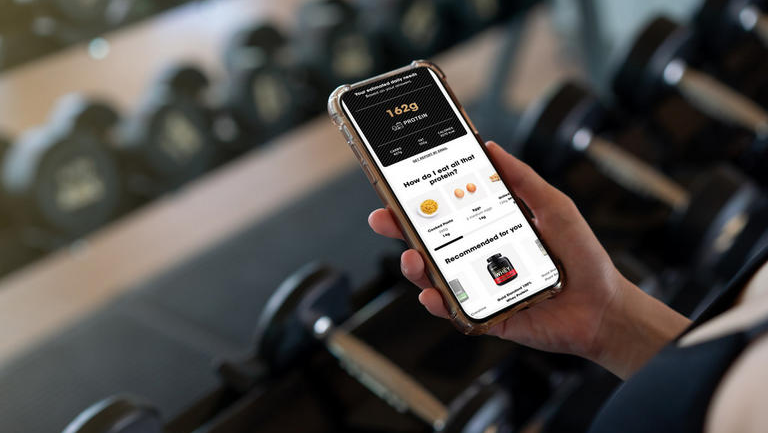
How much protein do I need?
Find out in under 60 seconds with our protein calculator.
GET YOUR DAILY PROTEIN INTAKE
Questions about supplements?
Get instant answers with Coach Optimum,
our AI tool for supplement advice.
Bestsellers Trusted by Athletes











Unlock More You
What Are You Training For?






Your Progress Is Our Purpose

Unmatched Performance Nutrition Since 1986
OPTIMUM NUTRITION has always been about helping people unlock their potential. No matter your goal or level, if you’re putting it in, we’ll help you get more out. As the World’s #1 sports nutrition brand, we’ve been delivering trusted performance nutrition for over 40 years.
READ OUR STORY