Summary: The best way to increase your protein intake is to include a source of protein with every meal and snack. Focus on high-protein foods such as lean meats, fish, eggs, dairy products, legumes, nuts, seeds and protein supplements, while spreading your intake evenly throughout the day. Understanding how much protein your body needs based on your age, weight, activity level and goals can help you choose the right foods and portions to consistently meet your daily target.
Understanding the Importance of Protein Will Dictate Your Intake
Protein plays a crucial role in the proper functioning of the body. It is a macronutrient essential for the growth, repair and maintenance of tissues, organs and cells. Understanding the importance of protein is the first step in making informed decisions about your nutrition and overall health. The second is determining how much protein you need to support your health, fitness and performance goals. Finally, incorporating protein-rich foods into your meals and snacks throughout the day can help you consistently meet those requirements and optimise your results.

How much protein do you need?
The amount of protein you need depends on various factors, including your weight, activity level, sports performance goals and overall health. As a general guideline, the Recommended Daily Allowance (RDA) for protein is 0.8 grams per kilogram of body weight. However, those with exercise performance driven goals may require more protein. Use our simple protein calculator to get an estimate of your daily protein requirements based on your training needs, to get your protein intake on track.

Incorporating High-Protein Foods in Your Diet
When it comes to increasing your protein intake, incorporating high-protein foods through a mixture of animal and plant based sources i will help you hit your daily requirements. By choosing lean meats, dairy products, beans, lentils, and other legumes, as well as high-protein grains and seeds, you can easily boost your protein consumption.
Experiment with different recipes and combinations to keep your meals exciting and nutritious.
Protein-Rich Breakfast Ideas
When it comes to increasing your protein intake, how do you incorporate protein rich foods easily as possible? Starting your day with a protein-rich breakfast can set you on the right track. Here are some delicious and nutritious breakfast ideas that will help you reach your protein goals:
1. Substituting cereal with eggs or Greek yogurt:
Instead of having a bowl of cereal, opt for a protein-packed breakfast by choosing eggs or Greek yogurt. Both options are rich in protein and provide essential nutrients to fuel your morning.
2. Protein smoothies and shakes:
Whip up a protein smoothie or shake using your favourite protein. You can add fruits, vegetables, and other ingredients to create a tasty and filling breakfast option. It’s a convenient way to get a good amount of protein without spending too much time in the kitchen.
3. High-protein alternatives to traditional breakfast foods:
Instead of reaching for traditional breakfast foods like toast or pancakes, try incorporating high-protein alternatives. For example, you can have a protein pancake made with protein, or opt for a wrap with lean meats and vegetables.
By incorporating these protein-rich breakfast ideas into your morning routine, you can easily increase your protein intake and start your day off on a nutritious note.
Convenient High-Protein Snacks
When it comes to increasing your protein intake, convenience is key. Having high-protein snacks on hand can help you meet your daily protein goals without much effort. Here are some delicious and convenient options:
1. Cheese and Jerky Snacks:
Cheese and jerky are excellent sources of protein. Choose low-fat cheese options like cottage cheese or string cheese, which are not only high in protein but also rich in calcium. Jerky, such as beef or turkey jerky, provides a satisfying chewy texture while delivering a great protein hit of 30 grams per 100g.
2. Protein Bars and Nuts for On-the-Go:
Protein bars are a convenient way to boost your protein intake, especially when you’re on the move. Look for bars that are low in sugar and high in protein or make your own protein bars or balls. Nuts, such as almonds or cashews, are also a great portable snack option. They are packed with protein, fats, and fibre, making them a perfect choice to keep you satisfied throughout the day.
3. Protein-Rich Dips and Spreads:
Dips and spreads can be a tasty way to add protein to your snacks. Hummus, made from chickpeas, is not only delicious but also a great source of plant-based protein. Pair it with carrot sticks or whole-grain crackers for a satisfying snack. Greek yogurt-based dips, like tzatziki are also high in protein and make a creamy and tangy accompaniment to your favourite veggies.
By incorporating these convenient high-protein snacks into your routine, you can easily increase your protein intake and support your fitness goals.
Boosting Your Meals with Extra Protein
When it comes to increasing your protein intake, there are plenty of delicious ways to do it without sacrificing taste. Here are three simple ways to boost the protein content of your meals:
Adding protein to salads and pasta sauces: One easy way to increase your protein intake is by adding protein-rich ingredients to your salads and pasta sauces. Consider adding grilled chicken, tofu, nuts, seeds or chickpeas to your salads for an extra protein punch. In pasta sauces, try incorporating lean ground turkey or lentils for added protein.
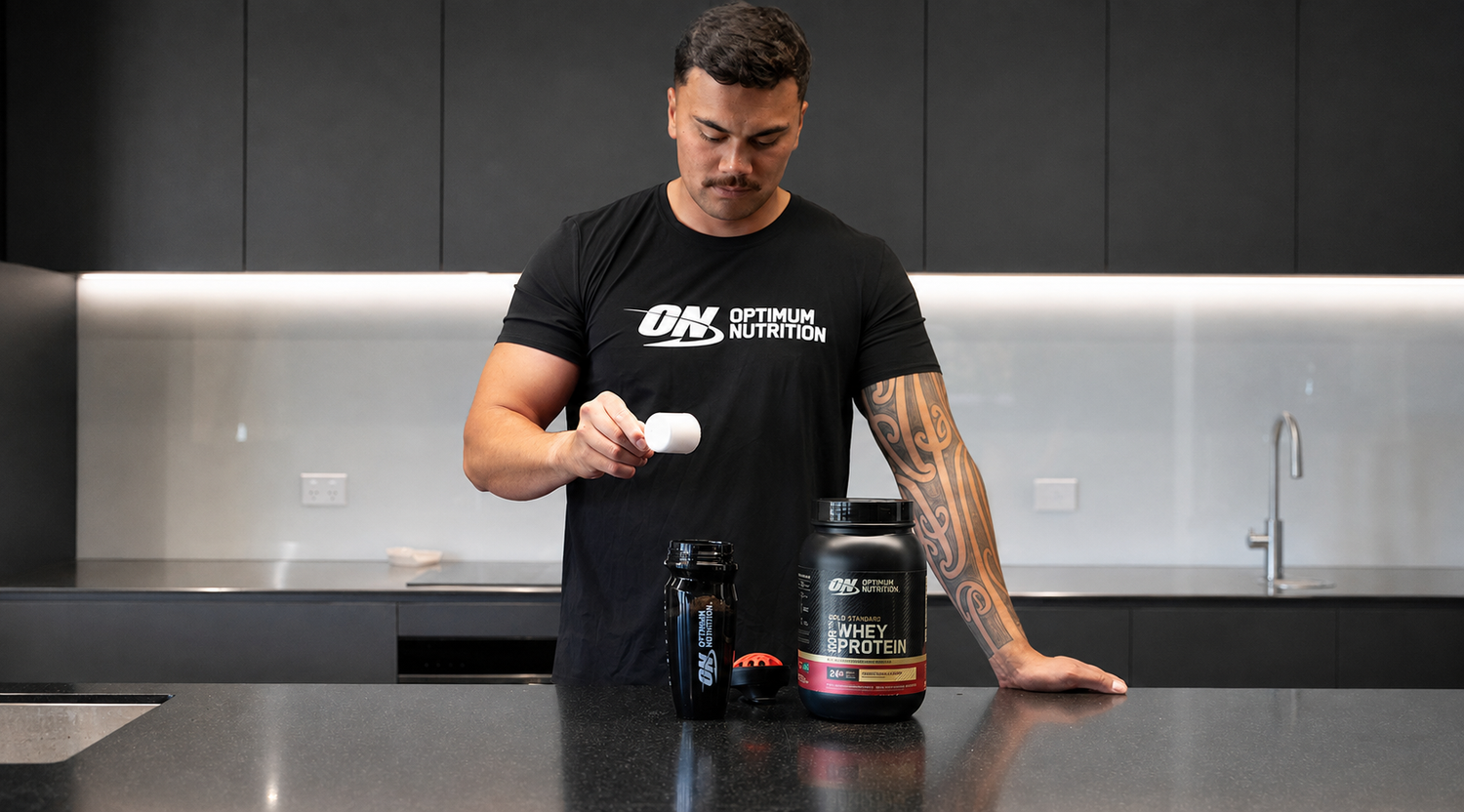
Using protein powders in cooking and baking: Protein powders are a convenient way to add extra protein to your meals. They can be easily mixed into smoothies, pancake batter, or even used to make protein packed desserts. Choose high-quality protein powders in your favourite flavours to add the most taste to your recipes.
Incorporating these simple strategies into your meals, you can easily increase your protein intake and support your fitness goals. Remember to choose high-quality protein sources and enjoy the benefits of a protein-rich diet.

Conclusion
In conclusion, increasing your protein intake doesn’t have to be complicated. Implementing the simple techniques outlined in this article, you can easily incorporate more protein into your daily diet without any fuss. From understanding the importance of protein to discovering high-protein foods, breakfast ideas, snacks, and ways to boost your meals, we’ve covered all the bases.
*Protein supports muscle growth and maintenance in conjunction with weight resistance training.
References
- Kerksick, C. M., et al., (2018). ISSN exercise & sports nutrition review update: research & recommendations. Journal of the International Society of Sports Nutrition, 15(1), 38. https://doi.org/10.1186/s12970-018-0242-y