

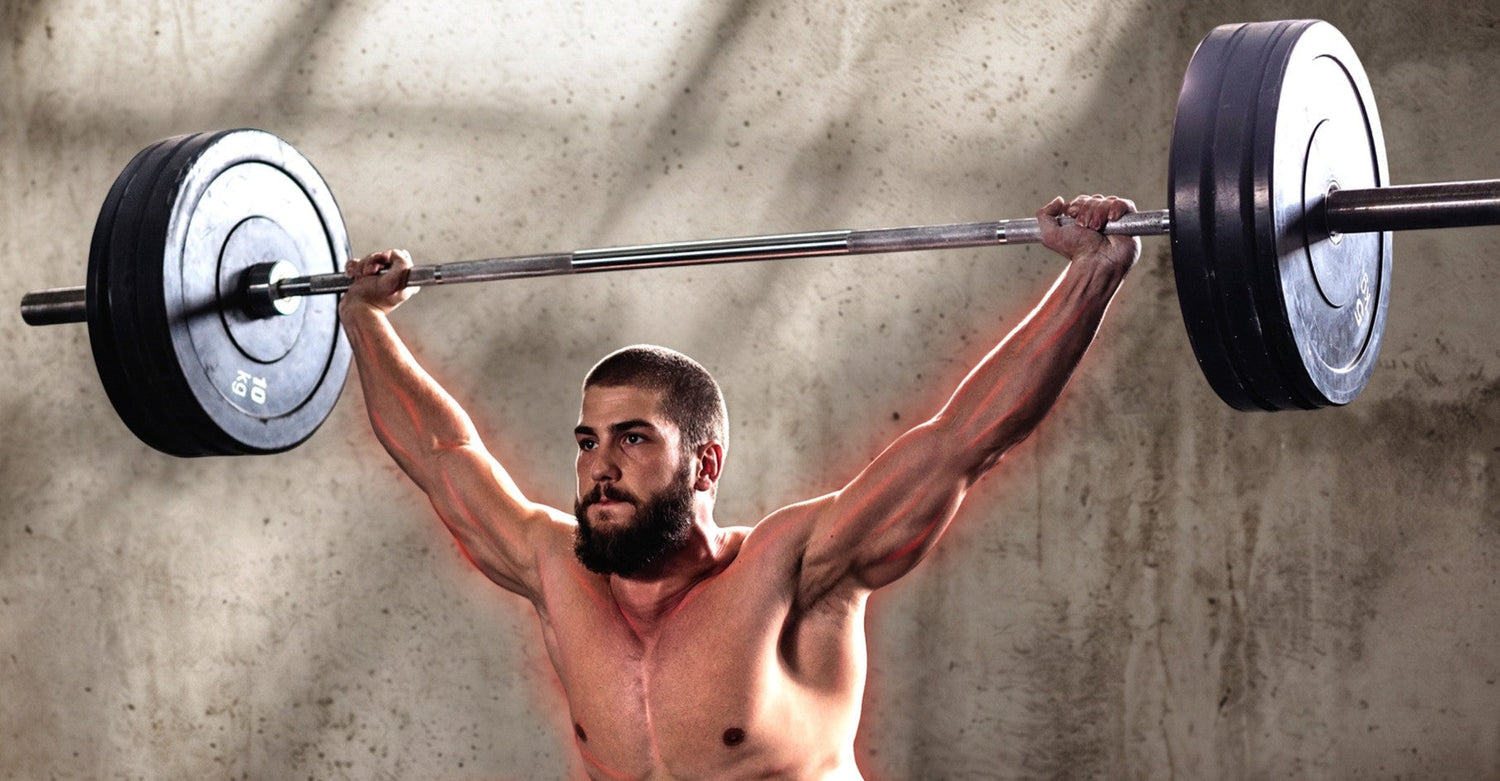
Creatine is among the most studied sports nutrition supplements and is best known for helping your muscles produce quick energy so you can perform at high-intensities such as lifting, sprinting, or jumping. It works by rapidly regenerating ATP, the body’s main energy source for short, explosive efforts.
This article explains how creatine works in the body, what it does at the muscle level, and why it matters for performance, strength, and recovery.
What is Creatine?
Creatine is a naturally occurring compound made from the amino acids arginine, glycine, and methionine. Your body produces about 1 to 2 grams per day, primarily in the liver, kidneys, and pancreas. You also get small amounts from foods like beef, pork, and seafood, though most diets provide about 1 gram daily. People following plant-based diets typically consume little to no creatine from food and often have lower baseline muscle creatine levels. As a result, they may experience a greater increase in muscle creatine stores and performance benefits when supplementing.
Inside the body, creatine is stored mainly in skeletal muscle as phosphocreatine, where it plays a key role in energy production during high-intensity exercise. Because muscle stores are limited, not all individuals start fully saturated, which is one reason supplementation can be beneficial.
How Does Creatine Work?
Every time you lift a weight or sprint, your muscles rely on ATP for energy. The challenge is that ATP is used up within seconds during high-intensity efforts. The challenge is that your body only stores a small amount of ATP in the muscle, and it gets used up within seconds during high intensity efforts.
That’s where creatine comes in. Creatine helps your body quickly remake ATP so you can push longer than a few seconds during intense activity. As intensity increases, ATP runs out faster, and having more creatine available helps your muscles recharge that energy more efficiently.
Here’s how creatine helps regenerate energy:
1. When ATP is used, it becomes ADP
2. Phosphocreatine donates a phosphate to ADP
3. This rapidly rebuilds ATP so energy stays available
Because this process happens directly inside the muscle cell, it works like a rapid energy recycling system for short, powerful movements.
Simple way to think about it: Creatine acts like a backup battery that helps recharge your body’s main energy source for high intensity exercise.
With regular training, higher muscle creatine stores can help you complete more high quality reps or sustain effort longer. Over time, this can support greater gains in strength and power. Put simply, it helps you do more during your workouts, recover faster between efforts, and make progress over time.
Benefits, Uses, and Performance Impact
Because creatine helps regenerate ATP quickly, it directly supports high-intensity performance and overall training quality. This shows up as improvements in strength, power output, and the ability to repeat short bursts of effort. Over time, the ability to do more high-quality work can translate into greater gains in strength and lean muscle when combined with structured training.
Creatine is not just for competitive athletes. It can benefit adults across a wide range of activity levels and goals. Research in older populations shows improvements in muscle strength and functional performance when creatine is paired with resistance exercise, helping support mobility and everyday activities. Preserving muscle and power becomes especially important with age, and creatine can play a supportive role in that process.
Who may benefit most:
· Athletes performing sprints, jumps, lifts, or repeated high-intensity efforts
· Recreational lifters focused on strength, muscle, and training progress
· Team sport athletes with frequent stop-and-go or explosive demands
· Older adults looking to maintain muscle, strength
· Individuals with low dietary creatine intake, including plant-based diets
Safety, Intake Strategies, and Practical Guidance
Creatine is one of the most well researched supplements and is considered safe for healthy adults when used as directed. It works by building up in your muscles over time, so taking it consistently each day matters more than exact timing.
There are two simple ways to take it:
• A loading phase of about 20 grams per day split into smaller doses for 5 to 7 days
• A steady daily approach of 3 to 5 grams per day, which reaches the same levels more gradually
Both approaches work. The best option is the one you can stick with. You do not need to take creatine right before a workout. It does not give an instant boost. Most people just take it with a meal or mix it into a protein shake to make it easy to remember.
What to Expect Over Time
Creatine works gradually, so changes show up over a few weeks as your muscle stores increase. Here’s how that may look:
|
Timeframe |
What’s Happening |
What You Might Notice |
|
Weeks 1-2 |
Muscle creatine increases |
Slight weight gain (water) |
|
Week 4 |
Stores are near saturation and training quality improvements become noticeable |
More reps, more power, improved capability for repeated sprints |
|
8-12+ weeks |
Higher quality training continues, physique changes may become apparent |
Strength and lean mass gains become more noticeable |
Results vary based on your training, diet, and consistency, but creatine mainly helps you get more out of each workout and repeat high effort work more easily. Some people notice bigger benefits than others. Those who eat little or no animal foods often respond more because their starting levels are lower.
Practical Tips:
• Take creatine at the same time every day so it becomes a habit, like with breakfast or after your workout
• Mix it into something you already drink, like a protein shake, smoothie, or even your morning water
• If you forget to take it easily, keep it visible on your counter or near your shaker bottle
• Start with 3 to 5 grams daily if you want a simple, no hassle approach
• Split doses if taking more to avoid stomach discomfort
• Drink fluids regularly throughout the day to stay hydrated, especially if you are training
• Expect a small increase on the scale early on due to water in your muscles, this is normal
• Stick with it daily. Results build over time, not overnight
Creatine is generally well tolerated. Some people notice a small, temporary increase in weight in the first couple of weeks from water being pulled into muscles, which is normal. Taking large amounts at once may cause mild stomach discomfort, so spreading doses out or taking it with food can help.
Research shows creatine is safe to use long term in healthy adults at recommended amounts. If you have a medical condition, it is best to check with a healthcare provider.
FAQs
1. Do I need to cycle creatine? Cycling creatine is not required.
2. Will creatine make me look bloated? Not typically. It increases water inside muscle cells, which can make muscles look fuller, not bloated. Any initial weight change is usually a small, performance-supportive shift in intracellular water.
3. Is creatine useful for endurance athletes? Creatine is most effective for short, high-intensity efforts. However, endurance athletes who include sprints or interval training may still benefit.
4. What if I don’t eat meat? You may see greater benefits since baseline creatine levels tend to be lower.
5. Can you summarize how does creatine work and what does creatine do in the body? Creatine helps regenerate ATP quickly so you can sustain high-intensity effort, perform more work, and recover faster.
Key Takeaways
· Creatine helps regenerate ATP for short, powerful efforts
· It supports strength, power, and training performance
· Muscle hydration and energy availability support recovery and growth
· Consistency is more important than timing
· Creatine monohydrate is the most effective and researched form
Bottom line: Creatine helps you do more high-quality work during training, which builds into strength, power, and muscle over time. When combined with smart training, nutrition, and recovery, it is one of the most effective and reliable performance supplements available.


