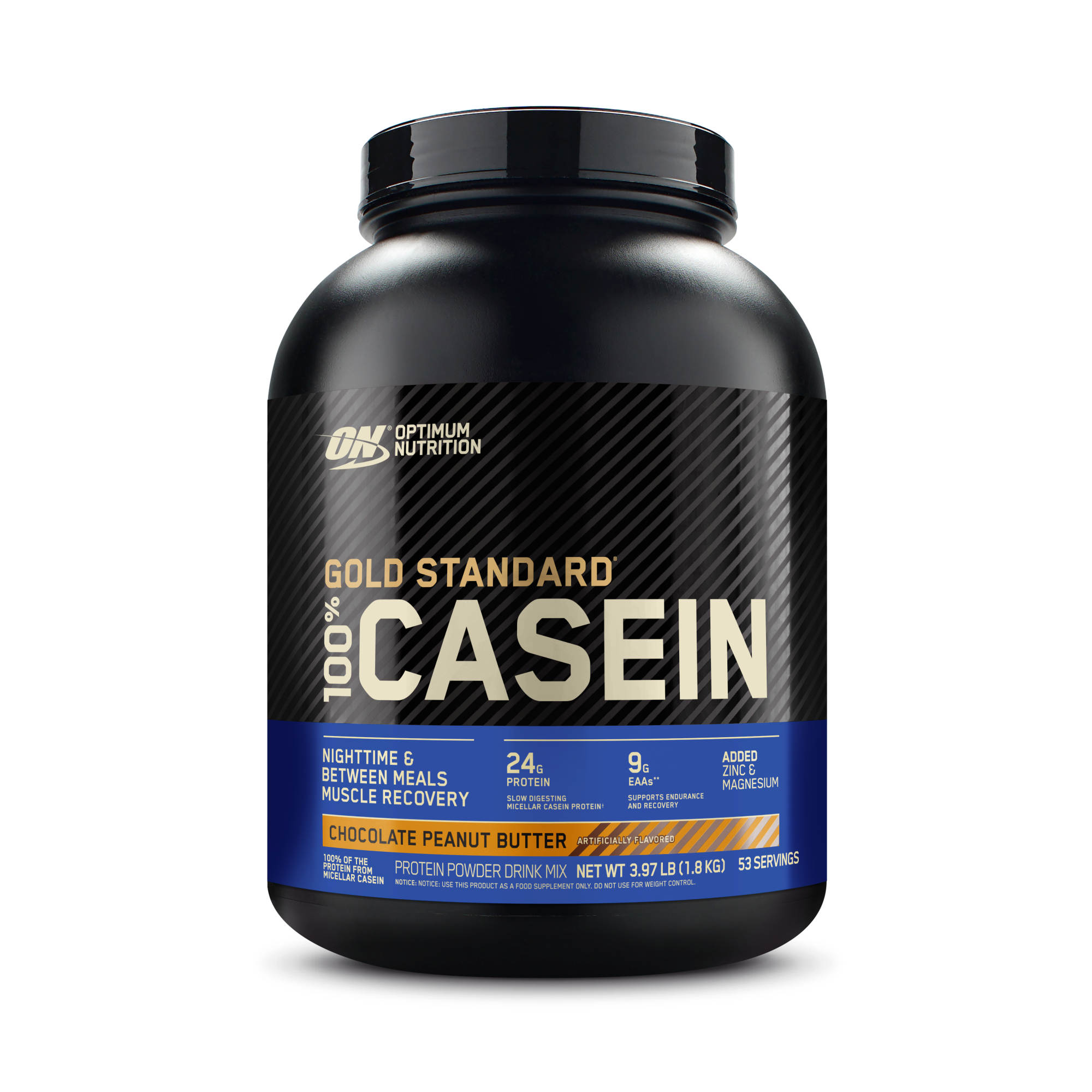
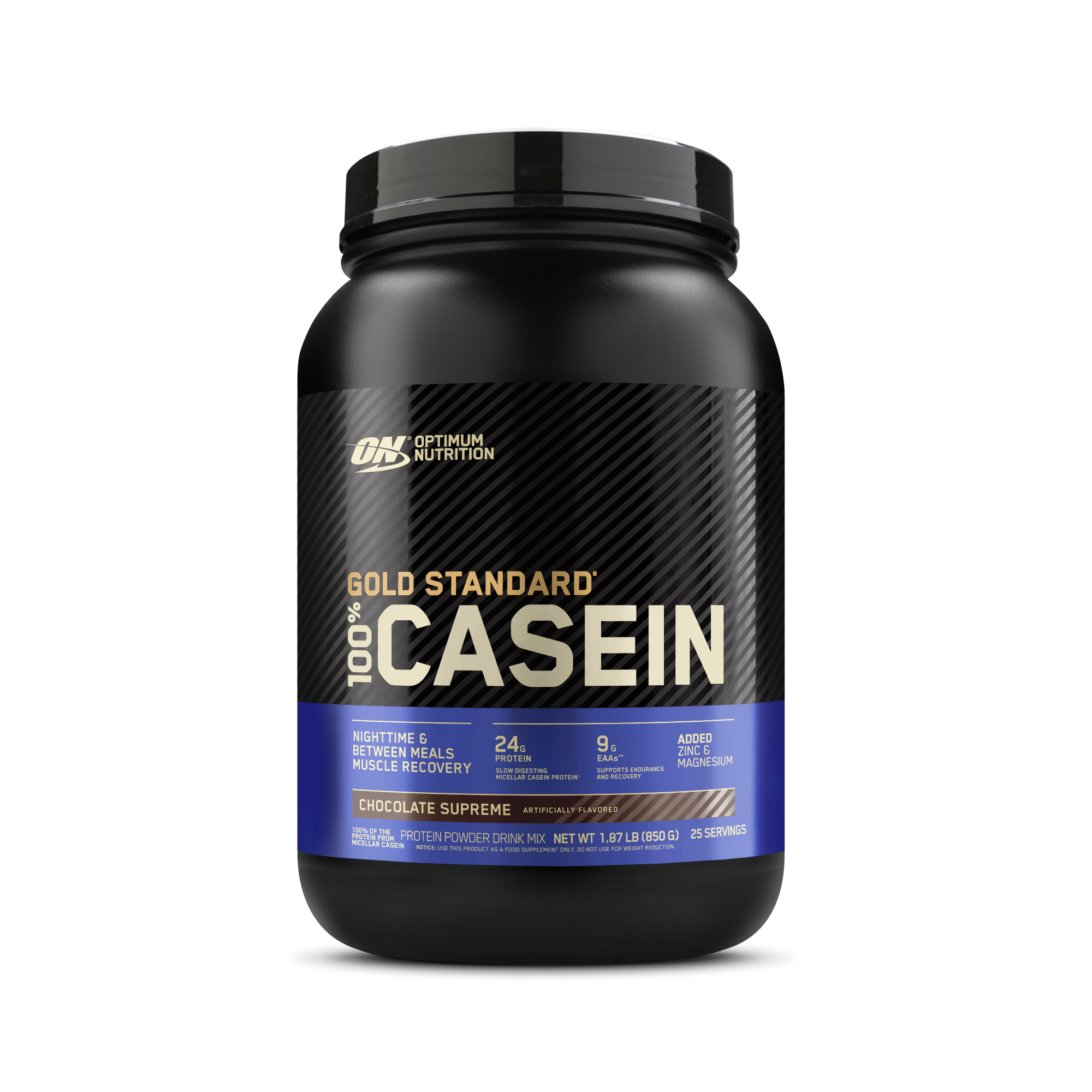
Casein is a slow-digesting protein from milk that supports muscles in a unique way. If you already use a fast-acting protein like whey, adding casein can round out your routine by delivering a steady stream of amino acids when your body goes hours without food - most notably overnight or during long stretches between meals. Below, learn what casein is, when to use it, why it matters, and who it can benefit most so you can confidently decide when and why to add casein to your regimen.
Who Benefits Most from Casein
Casein can be useful for a wide range of people, especially those looking for simple, practical ways to stay consistent with protein intake throughout the day. It is a strong fit for athletes and resistance trainers, but also for anyone navigating real-life schedules where meals are not always perfectly timed. This includes:
- Busy professionals who go long stretches between meals
- Parents or caregivers who are constantly on the go
- Active individuals training regularly who want to muscle support over a longer period of time than whey
- Those managing calorie intake who want structured, consistent quality nutrition
- Anyone with long overnight gaps without food
Most people can benefit from casein because daily routines are not always perfectly structured. When meals are delayed, schedules shift, or evenings stretch long, casein can help provide a more consistent approach to protein intake without overcomplicating things.
What is Casein and Where it Comes From
Casein is one of the two main proteins in milk. A typical glass of cow’s milk is made up of about 88% water, 5% carbohydrates, 4% fat, and 3% protein. Within that protein portion, the majority is casein, making up about 80%, while whey makes up the remaining 20%.
When milk is intentionally coagulated or naturally curdles, casein forms the semi-solid curd, while whey remains as the thin liquid portion. You can find casein naturally in foods like milk, yogurt, cottage cheese, soft cheeses such as ricotta, and even dairy-based puddings. A simple everyday example is yogurt, where the liquid that may collect on top is whey, while the thicker portion underneath contains casein.
Casein vs Whey: What’s the Difference?
One of the most common questions is how casein compares to whey protein, since both come from milk but function differently in the body.
Casein is often referred to as a slow protein, while whey is considered a fast protein. Whey protein is rapidly digested and typically delivers amino acids into the bloodstream within about an hour, delivering amino acids quickly. Casein, in contrast, digests more slowly and releases amino acids gradually over several hours.
This extended absorption pattern changes how casein supports the body over time. Instead of delivering amino acids quickly like whey, casein provides a slower, more sustained release, which can help limit muscle protein breakdown during longer periods without food. This steady delivery is also linked to its slow digestion, as casein forms a gel-like structure in the stomach. These differences help guide when to use casein protein and how to pair it with whey.
When to Use Casein: Timing & Practical Scenarios
Because of its slower digestion, casein works best when your body needs ongoing support rather than immediate delivery. It is most useful during longer gaps without food or when building a more consistent protein routine.
-
Before bed: Before bed: If you’re wondering when to take casein protein, the pre-sleep window is one of the most common and practical times to use it. Taking casein 30 to 60 minutes before bed provides a slow, steady release of amino acids overnight, helping support and maintain muscle during the 7 to 9 hours without food.
-
Between meals: Casein can help bridge longer gaps when you are not able to eat regularly, such as during busy days or travel. Its slower digestion provides a steady release of amino acids over time, making it a practical option to help carry you between meals.
-
After activity (later): Casein can be used after your post-workout whey protein or with a later meal to extend protein support. It helps maintain a steady supply of amino acids during recovery, especially when there is a longer stretch before your next meal or overnight.
Casein vs Whey: Which One Should You Choose?
Casein and whey are not competing proteins - they are complementary and work best together, not as replacements. Whey protein delivers amino acids quickly, making it ideal around workouts, while casein provides a slower release that helps extend protein availability over time.
Using both allows you to cover different needs throughout the day. For example, whey protein can support immediate recovery after training, while casein helps fill longer gaps later in the day or overnight. Think of whey as fast-acting and casein as slow and steady, helping cover both immediate and sustained protein needs.
Food First Approach
A food-first approach is always recommended, especially since casein is naturally found in foods like milk, yogurt, cottage cheese, soft cheeses, and even dairy-based puddings. It is also important to understand your personal protein needs, as they can vary based on age, body size, activity level, and goals. Tools like the
Optimum Nutrition protein calculator can help estimate how much protein you may need each day.
How to Use Casein Protein Supplements
If your needs are not fully met through food or you want a high-quality, convenient option, casein protein powders can be an easy and practical addition. To simplify your routine, consider supplementing with a high-quality micellar casein protein powder, such as
Gold Standard 100% Casein, which helped bring slow-digesting protein into the mainstream with one of the first all-micellar casein powders in 2005.
Most people benefit from 20 to 30 grams of casein per serving, depending on individual needs, body size, and daily intake goals. It can be mixed with water or milk as a shake, or used in thicker recipes like protein pudding or blended snacks. Casein can be used in a variety of simple ways and easily incorporated into your routine:
- Add it before bed as a nighttime shake
- Use it as a snack between meals
- Pair with other protein sources to round out daily intake
| Goal
|
Suggested Casein Use |
| Overnight muscle support |
20-30g casein 30-60 minutes before bed |
| Between-meal appetite control |
20-30g casein during long gaps without food |
| Post-workout coverage |
Whey post-workout, casein late with a meal |
Bottom Line
Casein is a slow-digesting dairy protein that provides a steady release of amino acids over time. It is especially useful before bed or during long gaps between meals and works well alongside whey to create a balanced protein routine. If you already use whey, adding casein is a simple way to extend protein support and better align your intake with your daily routine.
Frequently Asked Questions
What is casein protein?
Casein is a slow-digesting protein found in milk that provides a steady release of amino acids over several hours, making it useful for overnight recovery or long gaps between meals.
When should I take casein protein?
Casein is most commonly taken before bed or between meals when you need sustained protein support over time.
Is casein better than whey protein?
Casein and whey serve different purposes. Whey digests quickly and is ideal after workouts, while casein digests slowly and is better for extended periods without food.
Can I take casein every day?
Yes. Casein can be used daily as part of your protein intake, especially if you want to support consistent amino acid delivery throughout the day.
Does casein help with muscle growth?
Yes. Casein supports muscle recovery and growth by providing a steady supply of amino acids, particularly during periods of fasting like overnight.