
Once favored mainly by bodybuilders, whey protein has become a mainstream staple embraced by people across all types of fitness pursuits from strength and physique training to endurance sports, gym workouts, and everyday active living. Whether you’re beginning a new fitness routine or optimizing a long-term training plan, understanding whey protein can make a meaningful difference in how you recover and perform.
No matter if you are building strength in the gym or endurance training, whey can be one of the most effective and versatile tools to include in your nutrition plan due to its role in muscle health and recovery. Knowing how much to take, when to use it, and what to look for can help you maximize your results and stay consistent. With trusted options from Optimum Nutrition, you can confidently make whey protein a purposeful part of your fitness routine. Continue reading to explore what whey protein is, the science behind how it works, and simple ways to use it effectively to support muscle recovery and performance.
What Is Whey Protein?
Whey is a natural component found in many of the dairy foods we eat every day, including milk, cheese, yogurt, and milk-based desserts such as frozen yogurt and pudding. Milk itself is mostly water and contains all three macronutrients - carbohydrates, fat, and protein. About 80% of the protein in milk is casein, while the remaining 20% is whey.
Whey protein is a high-quality, complete protein that comes from milk during the cheesemaking process. When milk is turned into cheese, it separates into curds (casein) and liquid whey. The liquid is then filtered and dried to produce a powder rich in essential amino acids, including branched-chain amino acids (BCAAs) like leucine, isoleucine, and valine. Because it digests quickly compared to casein, whey is an excellent choice for supporting muscle recovery and growth after exercise.
Types of Whey Protein & How to Use
Whey protein can be produced in three main forms, depending on the level of filtration and processing: whey protein concentrate (WPC), whey protein isolate (WPI), and whey protein hydrolysate (WPH). Each type provides complete, high-quality protein but differs in its ratio of protein to carbohydrates and fat. In general, the more filtration a product undergoes, the higher its protein content and the lower its non-protein components.
-
Whey Protein Concentrate (WPC) typically provides up to 80% protein by dry weight and contains slightly more carbohydrates and fat since it goes through less filtration.
-
Whey Protein Isolate (WPI) is further refined to remove more of the carbs and fat, resulting in up to 90% protein by dry weight.
-
Whey Protein Hydrolysate (WPH) starts as isolate but is enzymatically “pre-digested” into smaller peptide chains. It tends to be more costly due to its extra filtration steps.
Each type differs in its protein content as well as the amount of carbohydrates and fat it provides. In general, the more a product is filtered, the higher its protein concentration and the lower its non-protein components. All options are complete, high quality proteins, and the best choice for you will depend on your dietary preferences, nutritional goals, and personal taste. Remember, carbohydrates and fats are not bad; they add nutritional value and also contribute to a creamy texture and delicious flavor.
Whey Protein for Muscle Recovery
Muscle tissue is composed of roughly 20% protein, which serves as the foundation for strength, structure, and performance. During resistance training, those muscle proteins undergo breakdown and microtears - a normal and necessary part of the adaptation process. To repair and rebuild stronger muscle fibers, adequate protein intake is essential.
Complete proteins contain all the amino acids the body needs to support recovery, and whey protein is an excellent high-quality source. As a complete, high quality protein, whey provides all nine essential amino acids the body cannot produce on its own. It is also naturally rich in branched chain amino acids (BCAAs) including leucine, isoleucine, and valine in a 2:1:1 ratio, the same balance found in both milk and muscle tissue. This composition makes whey especially effective for stimulating muscle recovery and growth.
Whey is particularly high in leucine, which activates the mTOR pathway, a key signal for initiating muscle protein synthesis. And because it digests faster than slower releasing proteins like casein, whey rapidly delivers amino acids to muscle tissue right when they are needed most, helping the body transition from a state of breakdown to one of recovery.
When To Use Whey Protein
It is important to understand your personal protein needs (click here to calculate your protein needs) and daily nutrition habits before deciding when and how to use whey protein. Muscle recovery is not limited to the hour after training. It is an ongoing process that can last several days. While post workout protein is valuable, what truly matters is your overall daily protein intake and how consistently you meet your needs. Protein can be included from morning to night within meals, between snacks, and around workouts to help support muscle recovery and fill potential gaps in your diet. Finding fueling opportunities that work best for your schedule and preferences will help you stay consistent and get the most from your training.
Around your activity, timing protein strategically can further enhance recovery and performance. Many people benefit from having whey protein 30 to 60 minutes before exercise to provide amino acids for working muscles, and again within about an hour after training to jump start recovery. The post workout window is especially effective since whey digests quickly, delivering amino acids including BCAAs when muscles are most receptive.
When to use whey protein depends on your goals, preferences, and daily rhythm. It can be consumed:
-
Post-workout
-
First thing in the morning to break the overnight fast
-
Between meals to help meet daily protein needs
-
As part of a meal for added protein balance
-
Before bed
-
Anytime you need a quick and convenient protein boost
Always aim for a food-first approach and use whey protein as a supplement when needed. Spreading protein evenly throughout the day helps maintain a steady supply of amino acids to support muscle recovery and growth. Most people benefit from three to five protein-rich meals or snacks per day, each providing about 20 to 40 grams, depending on body size and activity level. Remember, whey protein is not a meal replacement and should never take the place of balanced, whole-food meals.
How to Mix and Enjoy Whey Protein Into Your Daily Routine
If you’re new to whey protein, begin with one serving per day and see how it fits your calories and macros. Choose a flavor and format you enjoy and consider timing around your most challenging training sessions.
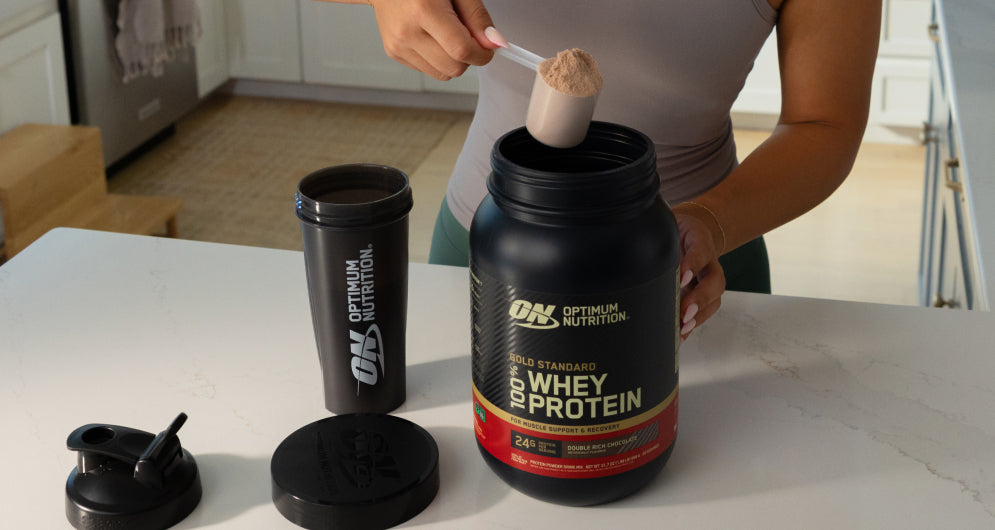
Adding whey protein into your day is simple and versatile. It can easily be mixed into foods and beverages you already enjoy, helping you meet your daily protein goals and maximize training results. Try incorporating it in:
-
Protein shakes: Add whole foods like oats or nut butter for extra nutrition.
-
Protein smoothies: Blend with fruits, berries, or leafy greens for a nutrient boost.
-
Breakfast add-ins: Stir into pancakes, smoothie bowls, or oatmeal.
-
Snack boosters: Mix into homemade protein bars, energy bites, or chia pudding.
-
Sweet treats: Add to frozen desserts, brownies, or baked goods for extra protein.
You can also personalize your whey protein routine by stacking it with other supplements such as creatine, BCAAs, or beta-alanine. The goal is to make whey protein work for you - supporting your nutrition needs, fitting seamlessly into your lifestyle, and making fueling both effective and enjoyable.
Who Can Benefit Most From Whey Protein?
Whey protein is not just for athletes or bodybuilders - it offers benefits across many lifestyles and activity levels. Here’s how different groups can use it to support their goals:
-
Strength and muscle building: Individuals focused on resistance training can use whey to support muscle recovery and maintenance
-
Endurance athletes: Runners, cyclists, and team sport athletes can benefit from whey to help support muscle recovery after long or intense training sessions, especially when paired with carbohydrates to help replenish glycogen.
-
Active weight management: Within a balanced diet, whey protein can help maintain lean muscle mass during calorie deficits and support feelings of fullness between meals.
-
Busy schedules: For those with limited time, whey provides a convenient and consistent source of protein to help meet daily nutritional targets.
-
Older adults: Since muscle protein synthesis becomes less responsive with age, a high quality, leucine rich protein like whey can help support muscle maintenance when combined with strength training.
-
Everyday healthy adults: When protein needs are not fully met through food, whey can help fill the gap. Protein supports far more than muscle and offers benefits for overall health, performance, and active living.
While whole foods should form the foundation of a healthy diet, whey protein can complement meals and snacks by filling nutritional gaps and making it easier to meet protein needs that support recovery, performance, and overall muscle health.
Top 10 Frequently Asked Questions About Whey Protein
-
Is whey protein necessary to build muscle? Not always. Whole food proteins can meet your needs, but whey offers a quick, convenient, and high-quality source that makes hitting daily protein targets easier - especially around workouts when your muscles need it most.
-
Can I take whey on rest days? Absolutely. Muscle recovery and adaptation happen even when you’re not training. Consistent daily protein intake, including whey, helps support those processes and keeps your recovery on track.
-
What if I am sensitive to lactose? Try whey protein isolate or hydrolyzed protein, which contains very low levels of lactose and is easier for many people to digest. If you’re unsure, check with your healthcare professional.
-
Do I need carbohydrates with my post workout shake? It’s a smart idea. Carbs help replenish glycogen after tough sessions and are protein-sparing, meaning they allow protein to focus on muscle recovery instead of being used for energy.
-
How long after a workout should I take whey? Muscles are most receptive to protein in the 30-60 minutes following a workout, but it's not essential to have your shake during that time. Recovery lasts for days and science shows it's more important to meet your daily protein needs consistently than focusing on timing a shake right after a workout.
-
Which whey digests the fastest? All forms of whey - concentrate, isolate, and hydrolysate - are fast-digesting compared to casein. The main difference is how much protein, carbs, and fat they contain, not how quickly they digest.
-
Is whey protein isolate the best? There’s no one-size-fits-all answer. Isolate is great for higher protein and lower lactose, but concentrate and hydrolysate have their own benefits. The best option depends on your goals, diet, and preferences.
-
Why is there cholesterol in whey? Whey is a dairy protein, and cholesterol naturally occurs in all animal-based foods. Because milk contains protein, carbohydrates, and fat - and cholesterol comes from fat - trace amounts may remain in whey. More filtered forms typically have less.
-
Can I use whey protein if I don’t work out? Absolutely. While it’s especially beneficial around exercise, whey is still a high-quality protein source that supports muscle maintenance and overall nutrition - even if you’re simply trying to eat more protein in your daily diet.
-
Can I take whey protein before bed? Yes. While casein is a slower-digesting option often recommended before sleep, whey can still be beneficial if it helps you meet your daily protein needs. Having a serving before bed can support overnight muscle repair and recovery, especially if you haven’t met your protein target for the day.
Putting It All Together: Practical Next Steps
Incorporating whey protein into your nutrition plan does not have to be complicated. Once you understand its role in recovery and subsequent performance, small, intentional changes can help you make the most of its benefits. Whether your goal is improving strength or endurance training, or simply supporting a more active lifestyle, whey protein can fit seamlessly into your daily routine when used strategically.
-
Assess Your Protein Needs: Calculate how much protein you need daily based on your body size, activity level, and goals. Aim to meet most of your needs through whole foods, then use whey protein to fill any gaps and support muscle recovery.
-
Create a Consistent Routine: Plan when and how you will include whey protein throughout the day. Consider adding it to breakfast, incorporating it into snacks, or consuming it after workouts to deliver amino acids when your muscles need them most.
-
Experiment and Personalize: Explore different flavors, recipes, and serving sizes to find what works best for you. Adjust timing and pairings with other nutrients, like carbohydrates, to further support your performance and training goals.
Whey protein is more than just a supplement; it is a tool that helps you recover faster, supports your demanding training, and stays consistent with your nutrition goals. By pairing it with balanced meals, regular training, and smart recovery strategies, you can unlock its full potential and make steady progress toward your health and fitness goals.


