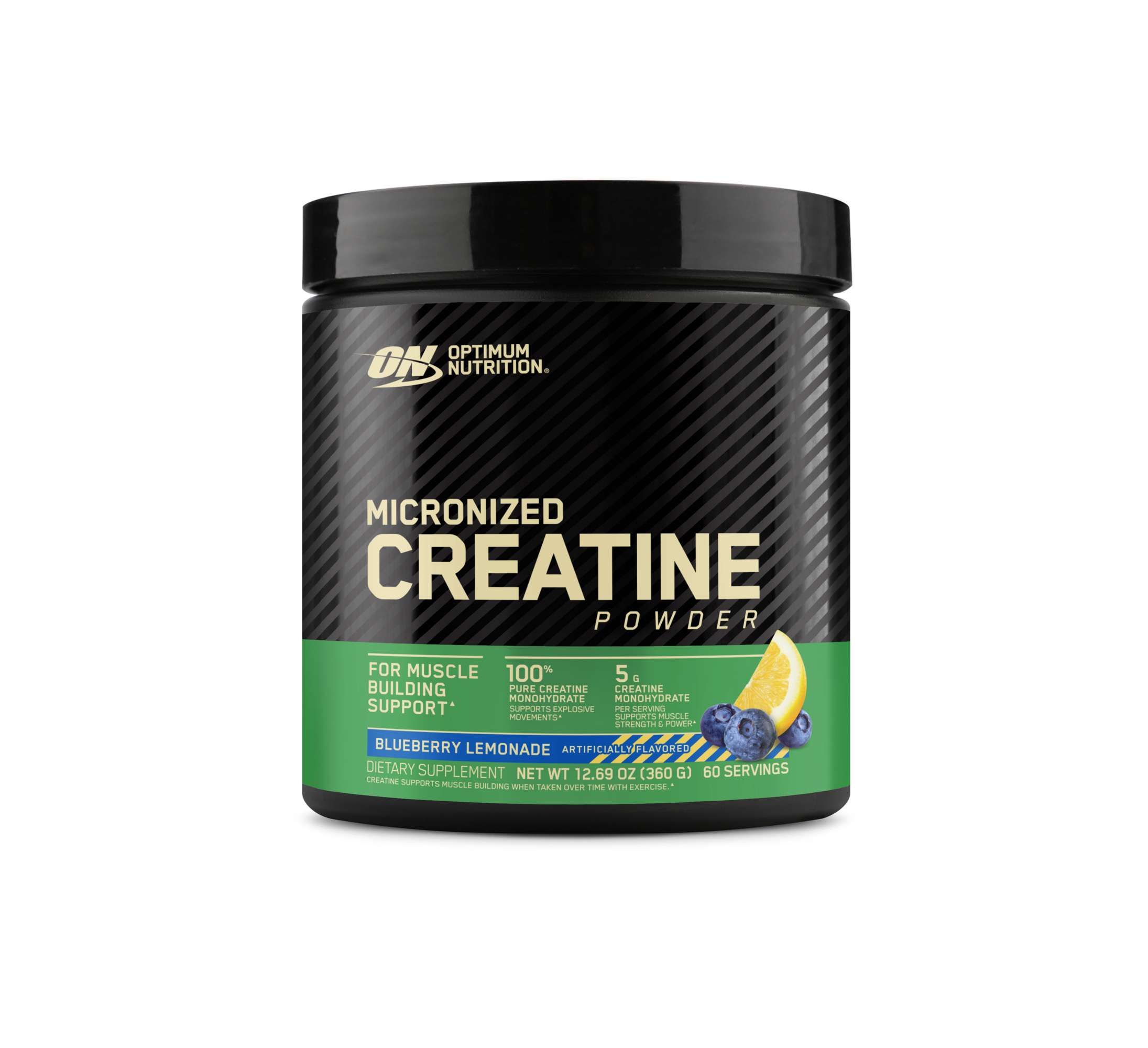

Creatine is one of the most researched and widely used supplements in sports nutrition, yet it’s also one of the most misunderstood. Often associated with bodybuilders or elite athletes, creatine’s benefits and limitations extend far beyond the weight room. Understanding how it works, who it is best suited for, and who might not need it, can help you decide if it deserves a place in your nutrition strategy.
How Creatine Works: A Quick Science Refresher
To understand who benefits most from creatine, it helps to know how it functions inside the body. Every cell in your body relies on adenosine triphosphate (ATP), often called the body’s energy currency, to power movement and basic processes. Whether you are lifting a weight, sprinting down a field, or just blinking, ATP is the molecule that fuels it.
Here’s where creatine comes in: When ATP is used for energy, it loses a phosphate group and becomes adenosine diphosphate (ADP). To keep producing energy, the body needs to replenish ATP by adding a phosphate back onto ADP. Creatine phosphate donates that phosphate quickly, making it a rapid source of ATP regeneration, especially during short, intense bursts of activity.
Think of creatine as your body’s fastest backup generator. It does not provide stimulant-type energy like caffeine, but it ensures your muscles have quick energy available when you are pushing hard, such as during a heavy squat set or a 100-meter sprint.
Where Creatine Comes From
Your body naturally produces creatine from three amino acids: arginine, glycine, and methionine. It also stores creatine in your muscles, which is why it makes sense that creatine is naturally found in animal muscles too. Foods like chicken, beef, and fish provide direct sources of creatine as well as the amino acids needed to make it.
Because plant-based foods generally contain little to no creatine, people who do not consume animal proteins often start with lower levels in their muscles. They can still make creatine, but only if their diet provides enough of the three key amino acids. Getting a variety of foods throughout the day helps supply those building blocks so the body can produce creatine naturally.
Did you know? A healthy adult can make about 1-2 grams of creatine daily
It’s also important to remember that protein, once digested, is used for thousands of functions in the body. It is quite literally the building material for who we are, which is why a balanced diet with a wide variety of protein sources is essential for supporting overall health and performance - including the body’s ability to make creatine.
What Creatine Supplementation Does
Taking creatine supplements increases the total amount of creatine phosphate stored in your muscles. Instead of a small pool of energy, supplementation builds a much larger supply, giving your muscles more available fuel during intense effort.
Here’s what that means in practice/activity:
-
Greater training capacity: You can complete more reps or maintain higher intensity before fatigue sets in.
-
Enhanced power output: More explosive strength for short-duration, high-intensity efforts.
-
Improved performance in repeated sprints or bursts: Useful in sports that involve stop-and-go efforts.

Benefits of Creatine: Who Might Benefit From Creatine Supplementation
Creatine can benefit a wide range of people, from bodybuilders and strength athletes to team sport players, endurance athletes, and even everyday active individuals. Everyone uses creatine in their body to help replenish energy, so the potential benefit depends on the type of activity, personal needs, and individual goals. For some, it may support strength, power, and explosive movements, while for others it may simply help support recycle ATP.
-
Strength and Power Athletes - People involved in activities that rely heavily on explosive movements, such as weightlifting, powerlifting, or track and field events, are strong candidates. Creatine helps them produce more force in a shorter time.
-
Team Sport Athletes - Athletes in sports such as soccer, basketball, baseball, and football perform repeated short sprints and bursts of effort throughout a game. Creatine supports those repeated high-intensity actions.
-
Endurance Athletes with Sprint Elements - While steady-state endurance activities rely more on aerobic systems, many endurance athletes still benefit if their sport involves sprints, climbs, or sudden bursts of speed.
-
People Following Plant-Based Diets - Since plant-based diets typically provide little to no creatine, supplementation can significantly increase muscle creatine stores and improve exercise performance.
Both men and women can take creatine, and healthy adults of all activity levels may benefit from including it in their nutrition plan depending on their needs and goals. Some people worry that creatine causes unwanted weight gain, but this is a common myth that will be addressed in more detail later. The big picture is that creatine supplementation can be useful for anyone looking to support performance, training, or energy availability.
Who Might Not Need Creatine
Creatine may not be necessary for everyone. If your primary activities are low-intensity or endurance-focused, such as walking or long-distance aerobic exercise without short, powerful bursts of effort, it is unlikely to significantly impact your performance. Similarly, if you are already meeting your goals, recovering well, and continuing to make progress without supplementation, adding creatine may not provide noticeable additional benefits.
Creatine Supplementation
Creatine does not work like caffeine, so you will not feel a sudden boost. Benefits build over time as your muscle stores increase, which typically requires daily supplementation of 3-5 grams.
Did you know? Creatine monohydrate is one of the world’s most researched supplements
-
Amount: 3-5 grams of creatine monohydrate per day
-
Loading Phase (Optional): Some people use about 20 grams per day for 5 to 7 days to saturate muscle stores faster, but it is not necessary
-
Consistency Matters: Daily use over weeks is key. One dose will not is unlikely to make a difference
When to Take Creatine
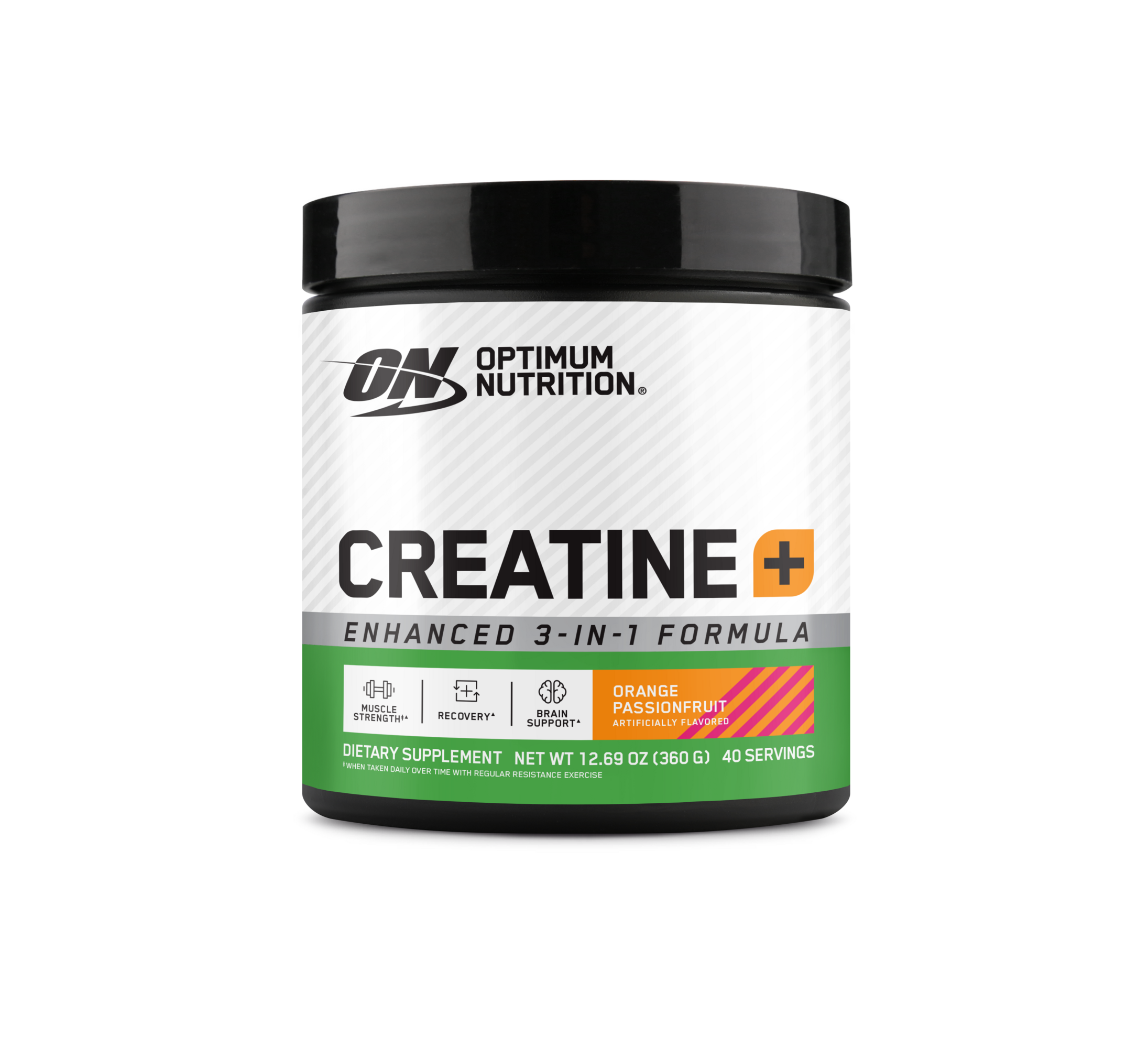
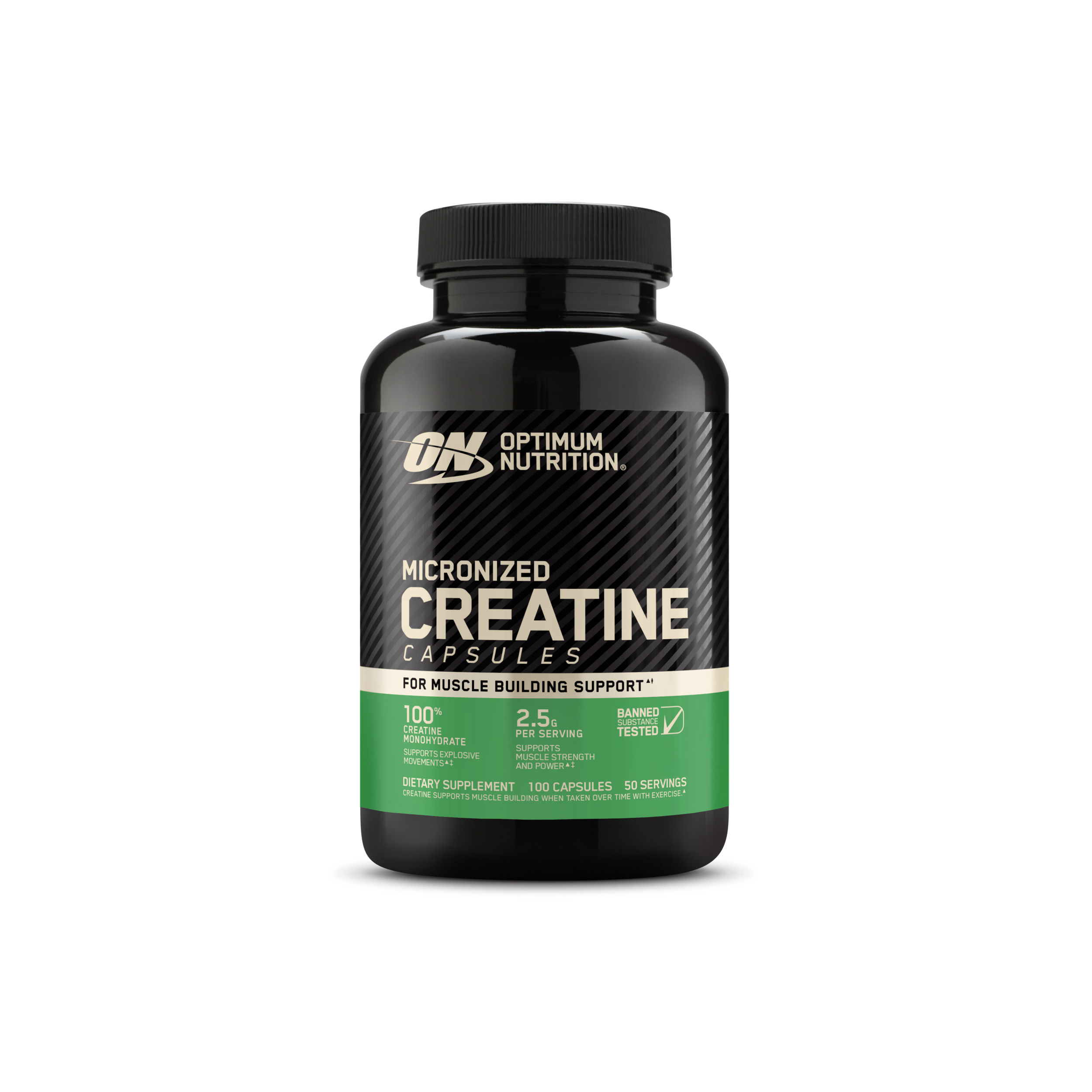
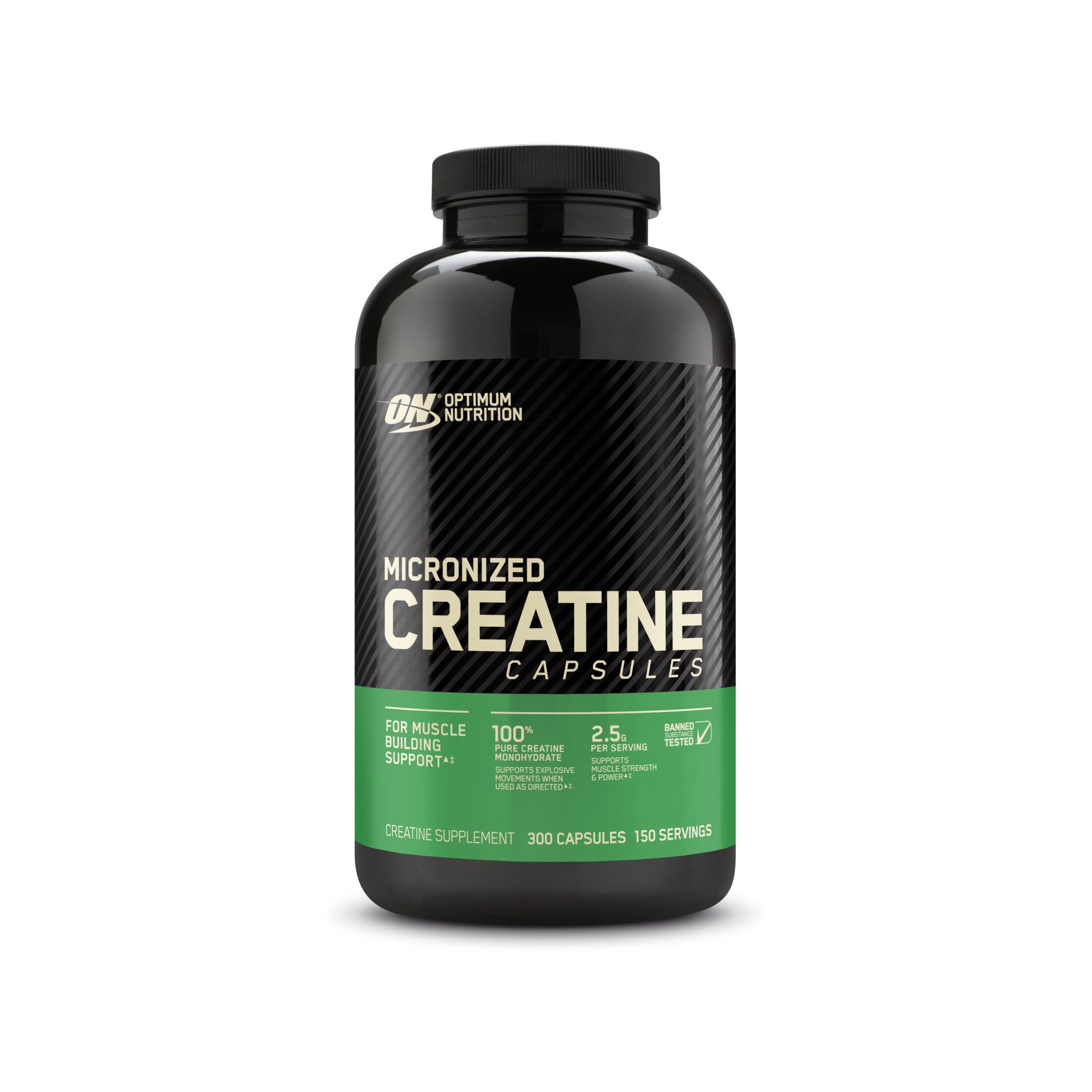
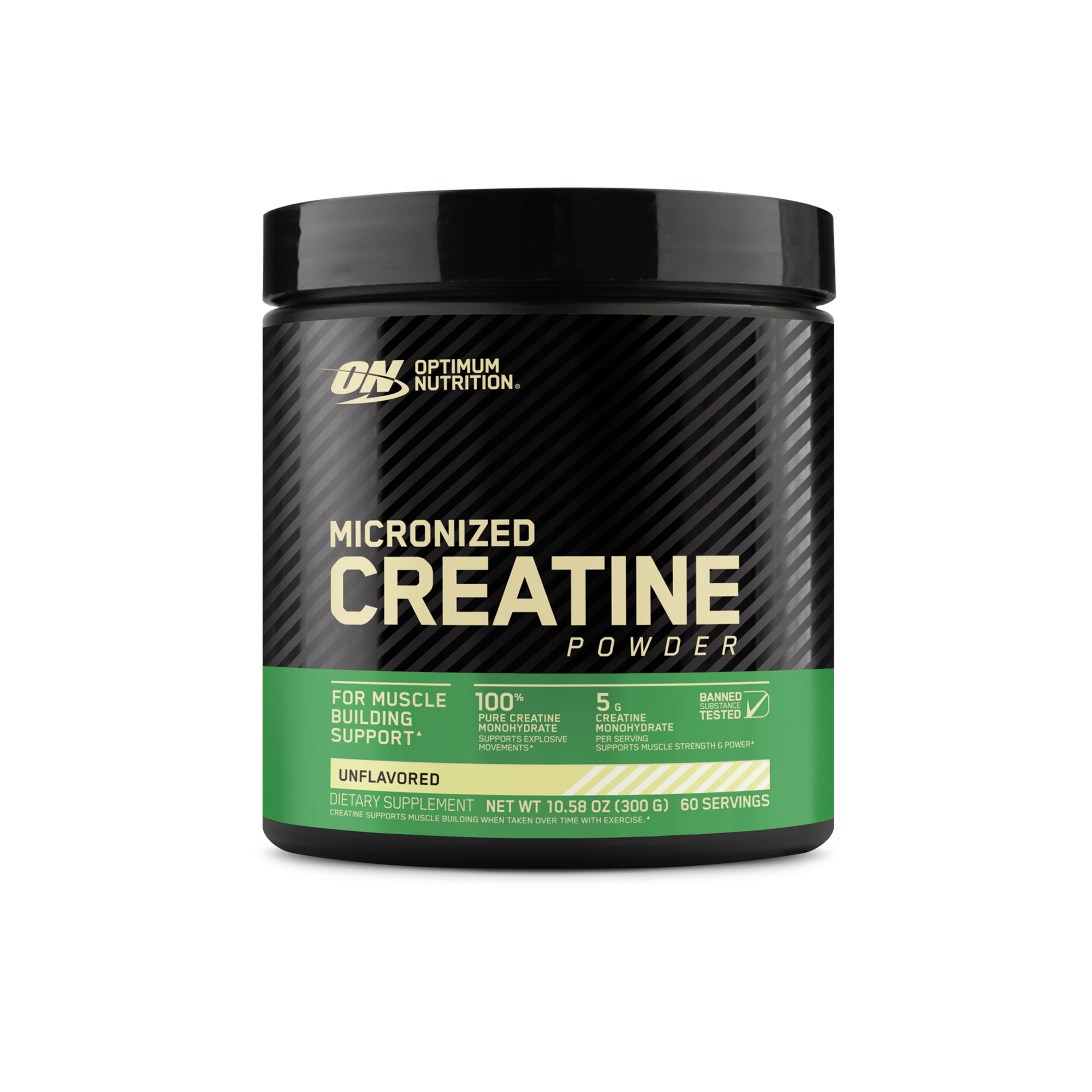
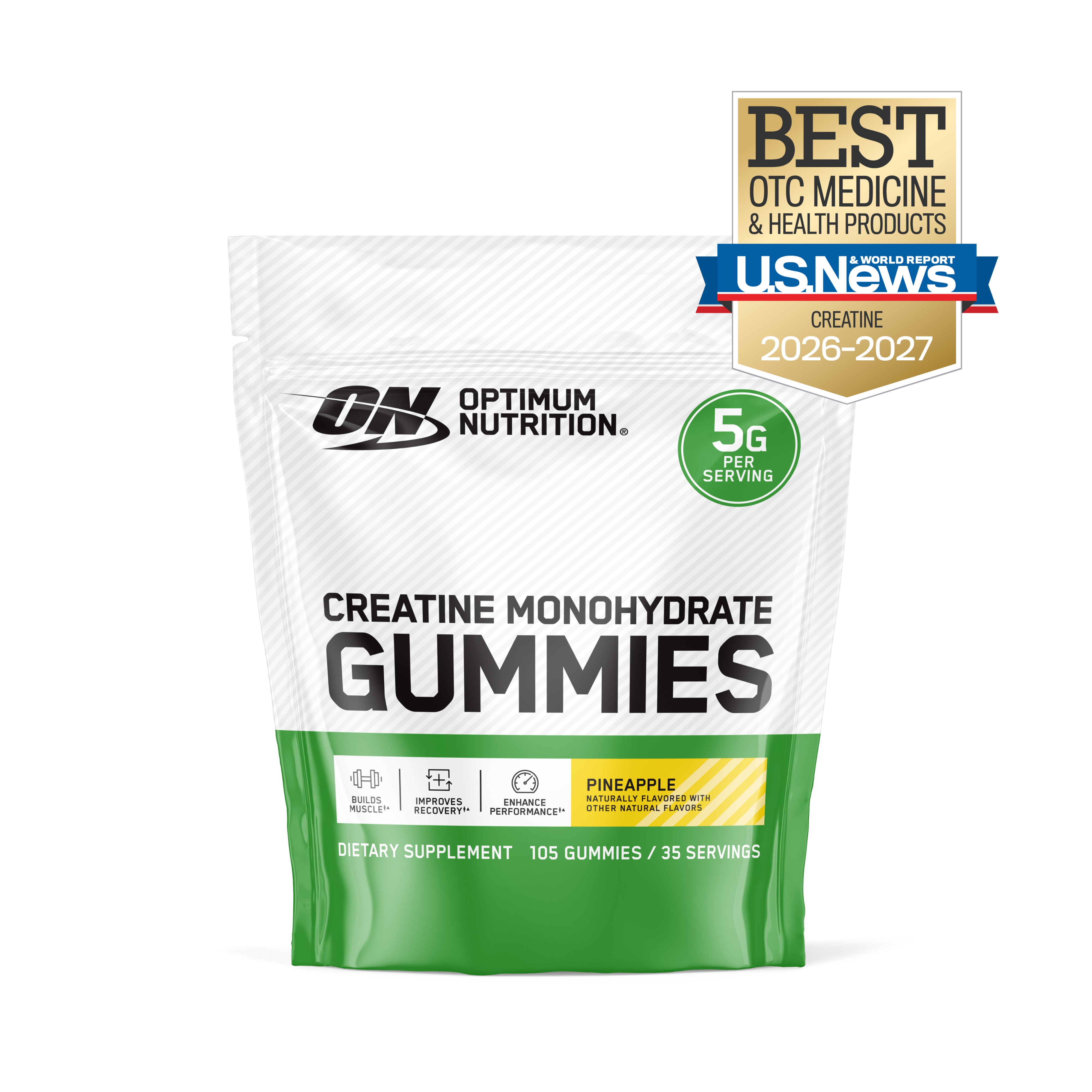
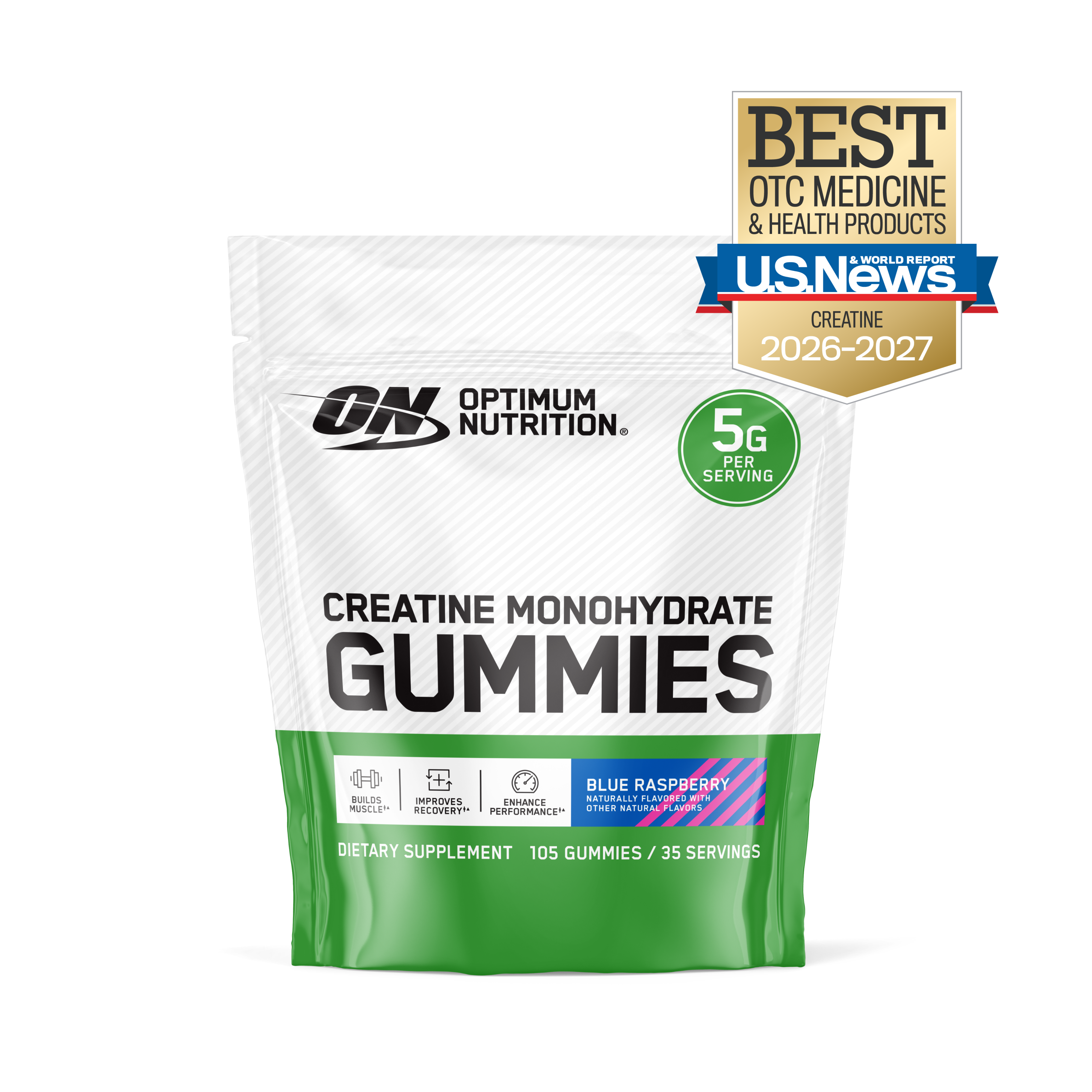
The timing of creatine is not critical, so there is no need to take it right before a workout. What matters most is consistency, so aim to take it daily at a time that fits naturally into your routine, such as with a meal or after training. You can mix creatine monohydrate powder into a protein shake or smoothie, combine it with other supplements you already use, or choose capsules if that is more convenient. Another simple and enjoyable option is creatine gummies, which make daily use easier than ever. How you take creatine is entirely up to you, your schedule, and what makes it easiest to remember every day.
Biggest Misconception: Creatine & Bloat
A common misconception about creatine is that it causes bloat or unwanted water retention. The science shows that creatine pulls water into the muscle cell itself, where it supports energy production and helps the muscle work more efficiently. This is not water weight or external bloating but rather a natural part of how creatine functions in the body. By drawing water into the muscle, creatine helps create an optimal environment for strength, power, and recovery. In other words, if you notice slight changes in muscle fullness, that is simply creatine doing its job and supporting better performance from the inside out.
Benefits of Creatine: The Bottom Line
Creatine is much more than a supplement for bodybuilders. It is a well-researched tool that helps support performance in a wide range of sports and training styles. If your activity involves strength, power, or repeated high-intensity efforts, creatine can help you train harder and adapt faster.
If your routine is primarily low-intensity or endurance-based, or if you are already meeting your goals without it, creatine may not add much value. Like any part of your nutrition plan, the key is understanding your performance needs and aligning your strategy to support them.
![Creatine [+]](http://www.optimumnutrition.com/cdn/shop/files/on-1157997_Image_01.png?v=1755795928&width=2000)