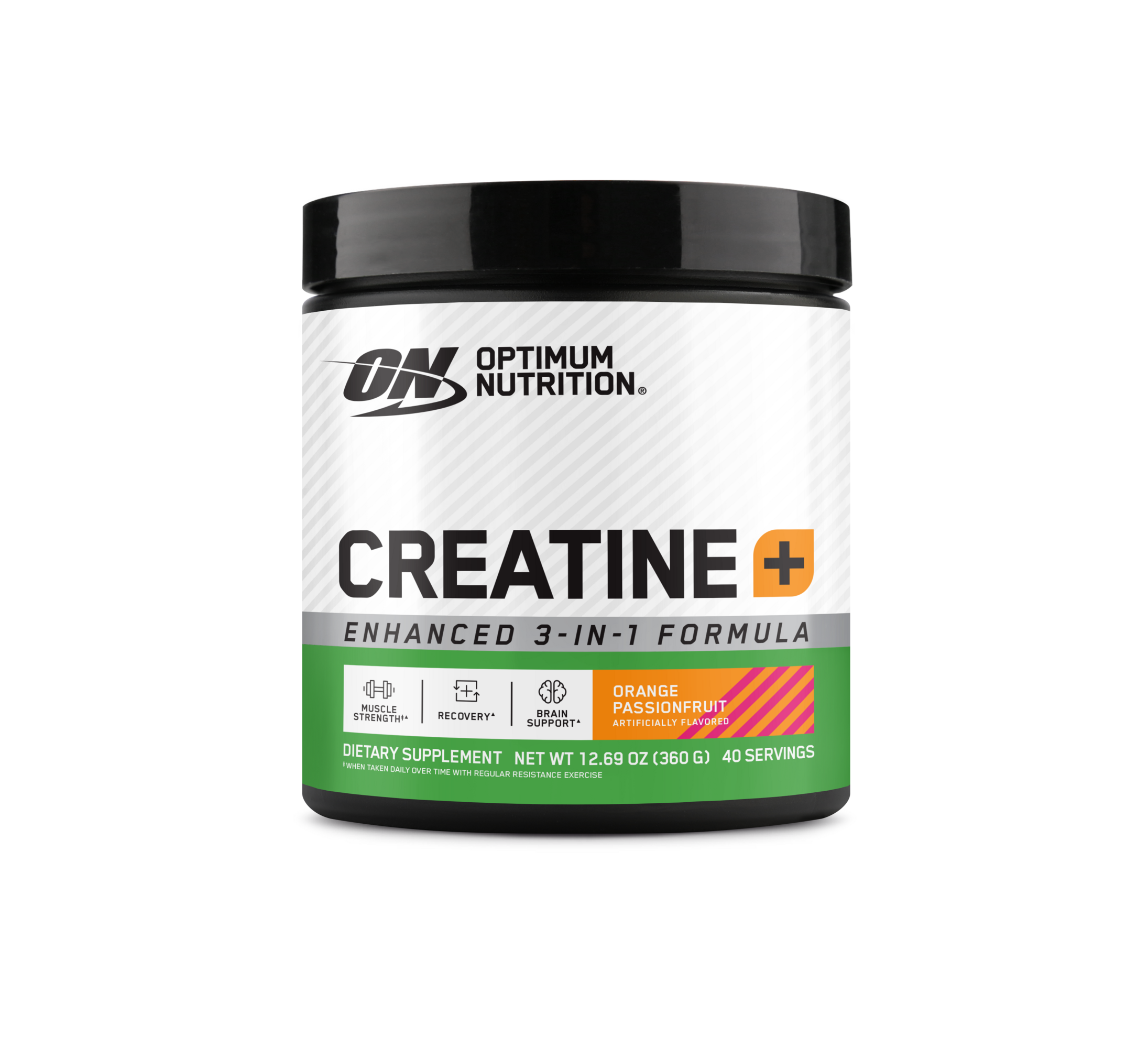
When it comes to training, few supplements are as trusted, studied, or effective as creatine. It plays a key role in how your body produces fast, usable energy at the cellular level. This energy comes from adenosine triphosphate (ATP), a molecule your muscles use every time they contract. Think of ATP as your body’s “energy currency,” constantly being spent and rebuilt as you move. Creatine helps regenerate ATP quickly, so you can power explosive movements like sprints, lifts, and jumps with strength and consistency. Learn how creatine supports cellular energy, strength, performance, recovery, and brain health, and how adding 5 grams to your routine can help you train stronger over time.
What Is Creatine
Creatine is a naturally occurring compound your body makes from three amino acids: arginine, glycine, and methionine. It is produced in the liver, kidneys, and pancreas, and stored primarily in muscle. Because it is concentrated in muscle tissue, creatine is also naturally present in animal-based foods such as red meat and seafood.
Inside muscle cells, creatine exists in two forms: free creatine and phosphocreatine. Phosphocreatine provides a rapid source of energy by donating a phosphate group to regenerate ATP. This process is critical during short, intense bursts of activity such as lifting, sprinting, or jumping.
How Creatine Works
Every movement begins with ATP, the molecule that fuels muscle contraction. When you lift, sprint, or jump, your muscles rapidly “spend” ATP to create force. Because your body can only store a small amount, ATP levels drop within seconds during intense exercise. This is where creatine steps in. Inside your muscles, phosphocreatine donates a phosphate group to rebuild ATP, restoring energy extremely quickly. The faster this recycling happens, the longer you can sustain maximal effort.
Creatine and Athletic Performance
Creatine supplementation has the greatest impact during short, powerful efforts and repeated high-intensity bouts. By increasing phosphocreatine stores, it supports faster ATP recycling, so you can push harder and perform longer.
In anaerobic, high-power efforts lasting roughly 5–30 seconds; creatine supplementation is well known to support increases in peak power, force output, and total work before fatigue. These benefits are highly relevant for weightlifting, sprinting, jump training, and explosive sport-specific drills. Team sport athletes who perform repeated sprints or accelerations often find creatine helpful for sustaining high-intensity efforts across games and practices.
Endurance outcomes are more nuanced because energy systems shift with duration and intensity. For sustained efforts lasting several minutes to hours, creatine’s direct effects are typically smaller. Still, it can indirectly benefit endurance performance by improving the quality of high-intensity interval training sessions or supporting sprint finishes. Some endurance athletes combine creatine with carbohydrates to support glycogen storage and training tolerance, finding value in the ability to perform hard intervals with consistency.

Benefits of Creatine Supplementation*
Creatine monohydrate is one of the most researched sports nutrition ingredients in the world. When taken daily at 5 grams and combined with exercise, it can help support:
-
Energy and Brain Health: Creatine directly supports your energy system.
- Cellular energy for hard training
- Helps replenish muscle ATP during strenuous exercise
- Brain support / brain health
-
Muscle / Strength: Creatine helps unlock strength and supports muscle through progressive training programs. It enhances force production and training output by improving ATP turnover.
- Muscle building
- Strength
- Muscle power
- Muscular endurance
- Unlocks strength and helps support muscle through progressive training
-
Performance: Repeated sprint scenarios, high-intensity intervals, and explosive drills depend heavily on the phosphocreatine system.
- Peak performance
- Sustained performance
- Increased training capacity
- Training volume
- Power in anaerobic sprints
-
Recovery: Creatine supports recovery by improving cellular hydration and creating optimal conditions for muscle recovery. When paired with high-quality protein, it helps maintain energy between sessions and speeds up recovery after strenuous exercise. Meaning creatine helps unlock recovery and recover faster.
- Support speed of recovery after strenuous exercise
- Enhance recovery between repeated bouts of exercise
How to Use Creatine and What to Expect
Consistency is key. Take 5 grams daily to maintain creatine stores, whether you are training or resting. If you are new to creatine, start with a 3g serving to assess your response.
- Hydration remains important as creatine draws water into muscle cells
- Vegetarians and vegans often experience greater benefits due to lower baseline creatine levels
Creatine works by gradually saturating your muscles, so benefits build over time.
Safety and Side Effects
Creatine has been studied for decades and is well tolerated in healthy adults. Common myths about creatine are not supported by scientific research.
-
Myth 1: Creatine is a Steroid
It is not. Creatine is a naturally occurring compound present in food and synthesized by the body, and it supports the phosphocreatine energy system. -
Myth 2 : Creatine Causes Dehydration or Cramps
Studies show no consistent link when proper hydration is maintained. - Myth 3: Creatine Causes Bloating.
Some people experience a transient increase in water retention as muscle creatine stores rise, reflecting greater intracellular hydration. However, results among different individuals can always vary with any change in diet or supplementation routine.
Timing Creatine
Timing is about habit, not performance. Since creatine works by building up in the muscle, consistency matters most. Take it pre- or post-workout with a shake, or with a meal on rest days. Pair creatine with:
- Protein to support muscle growth and recovery
- Carbohydrates to replenish glycogen stores
- Caffeine as desired for separate focus and energy benefits
Key Takeaways
- Creatine supports the system that regenerates ATP, the fuel for high-intensity effort
- 3-5 grams daily supports performance, strength, recovery, energy and brain health
- Benefits are most pronounced during short, powerful, and repeated bouts of activity
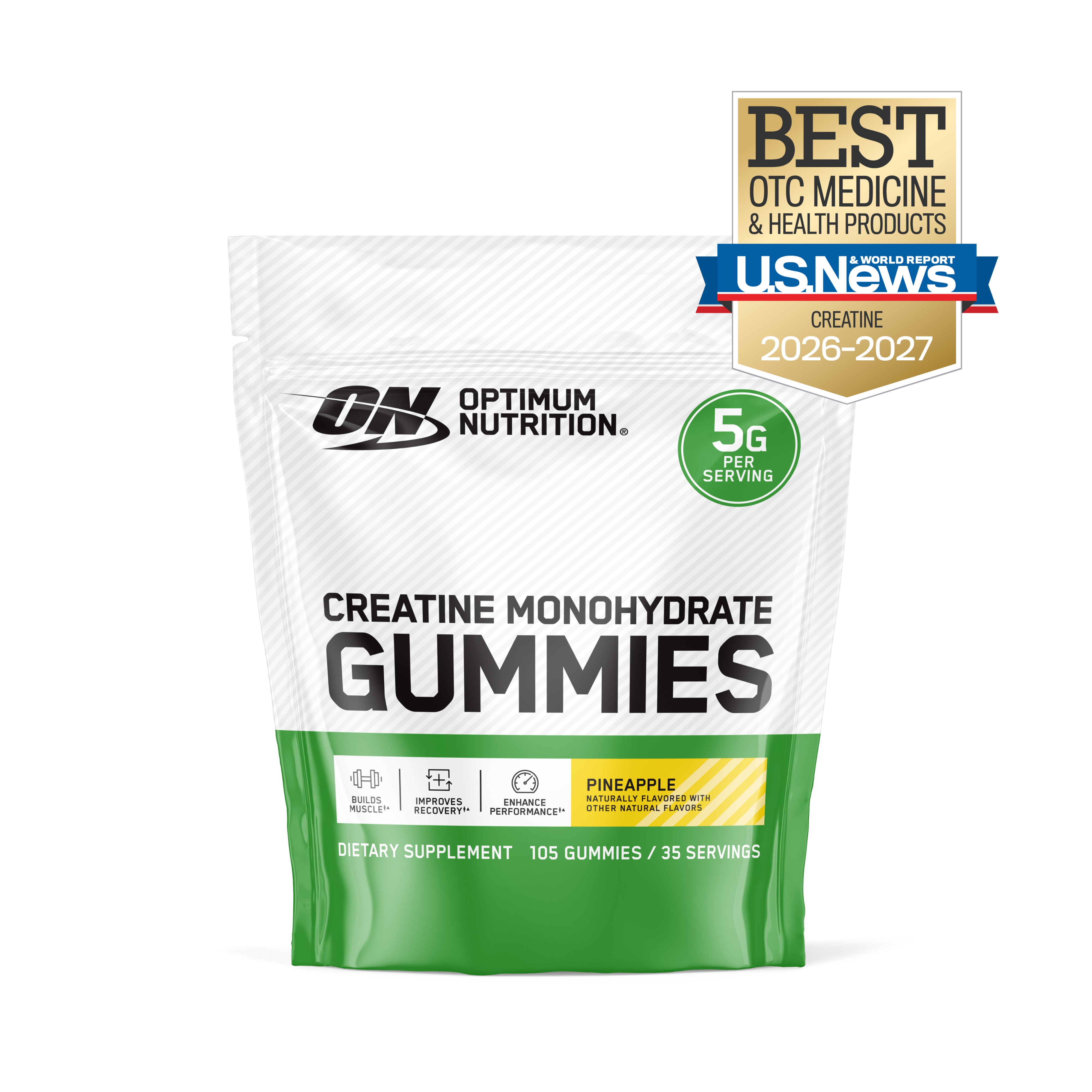
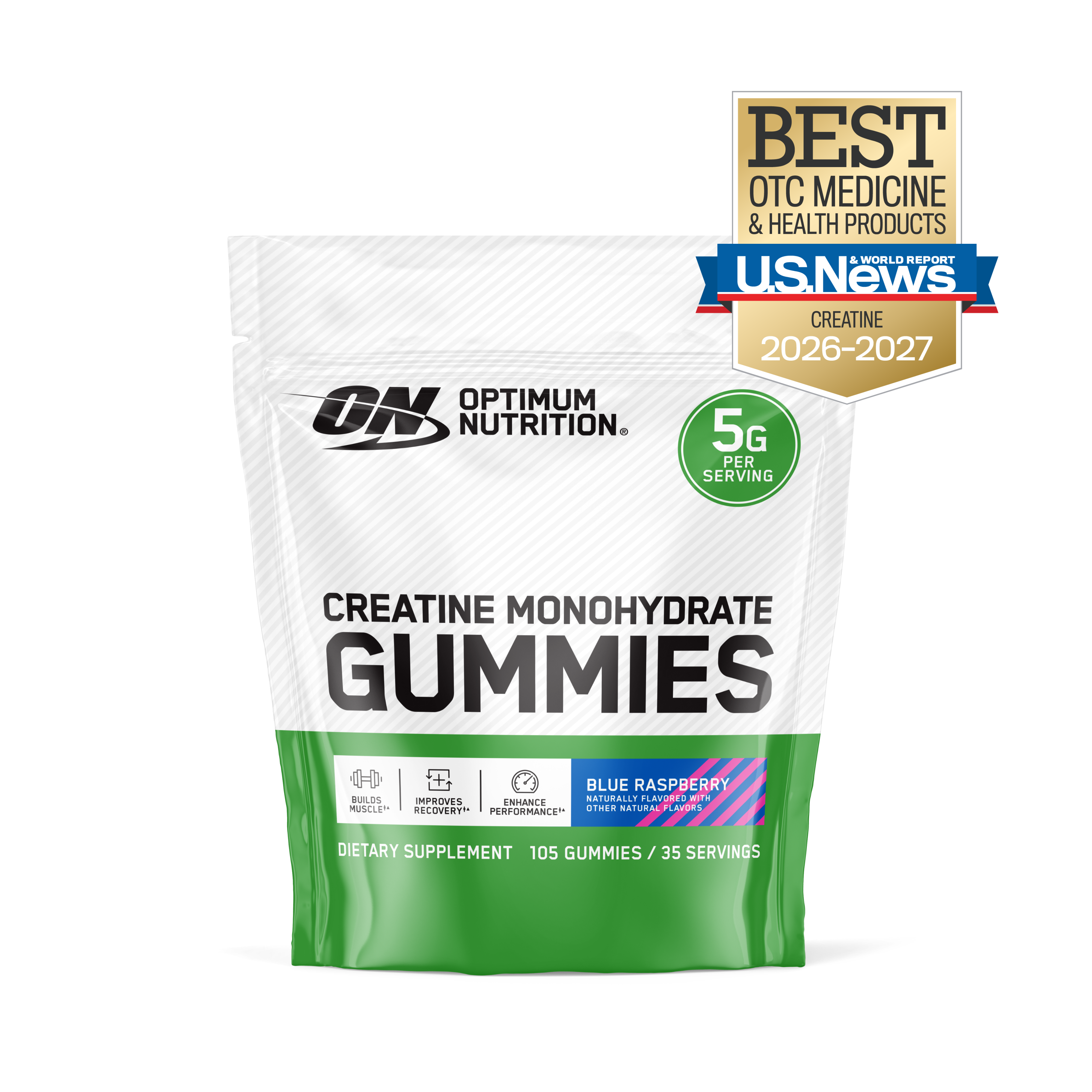
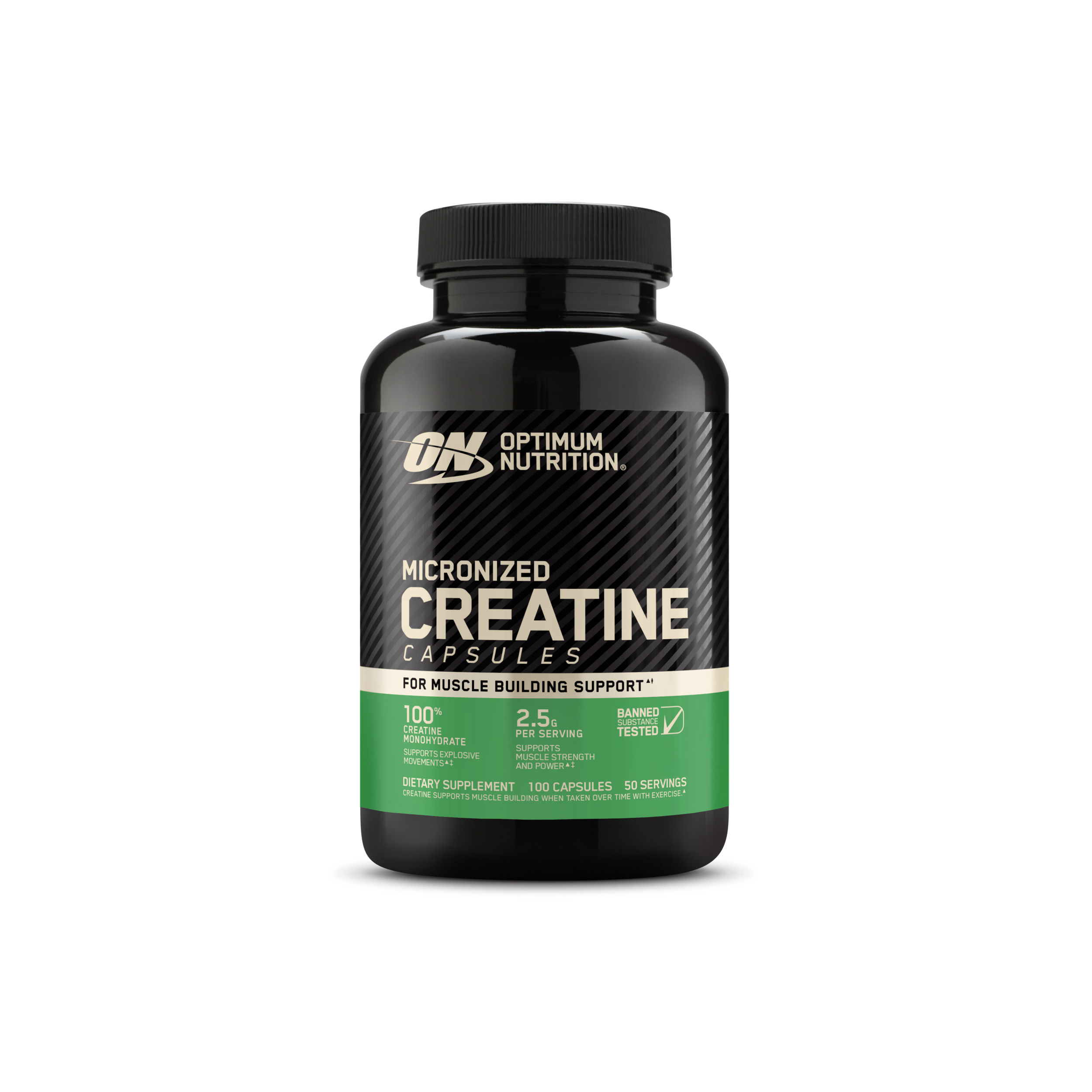
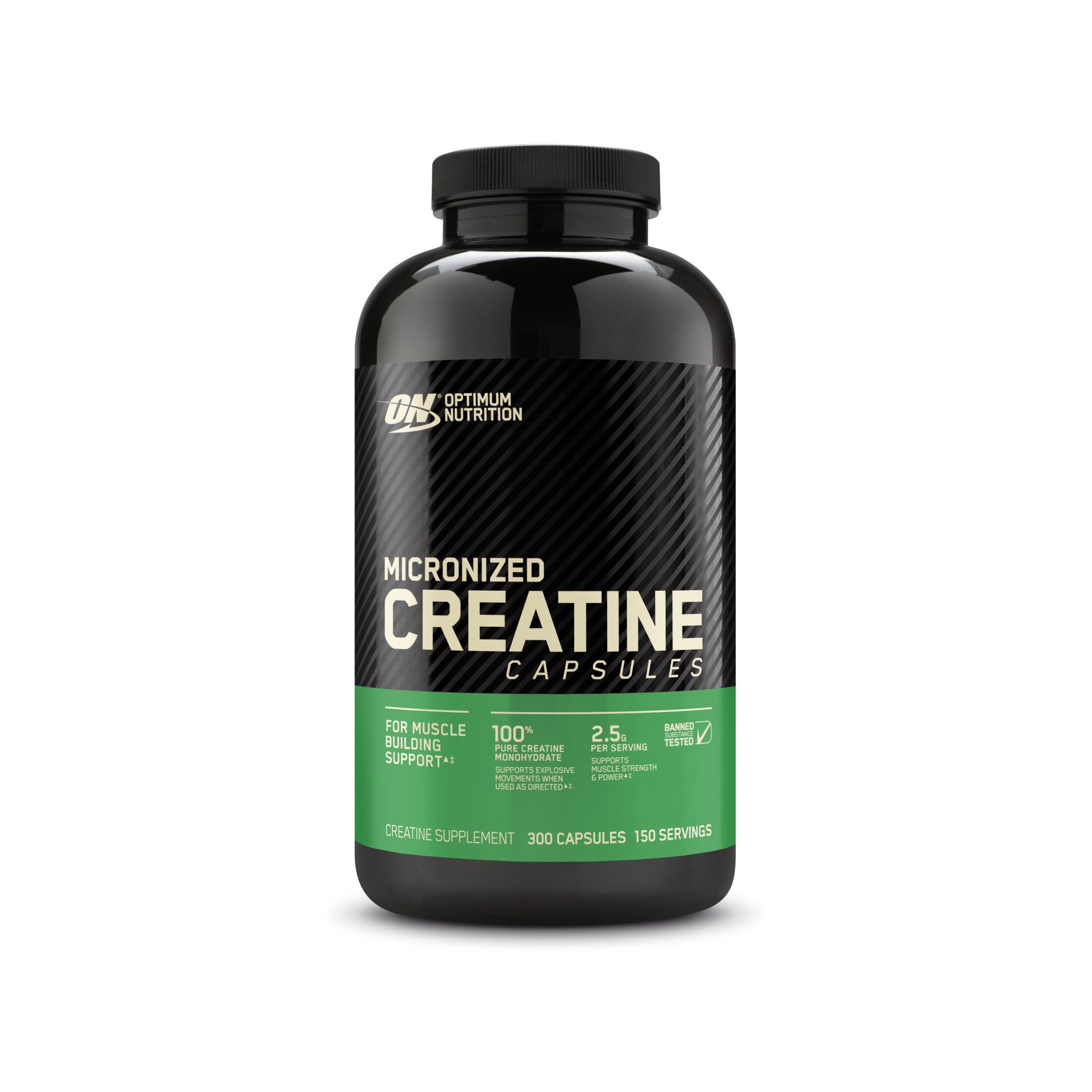
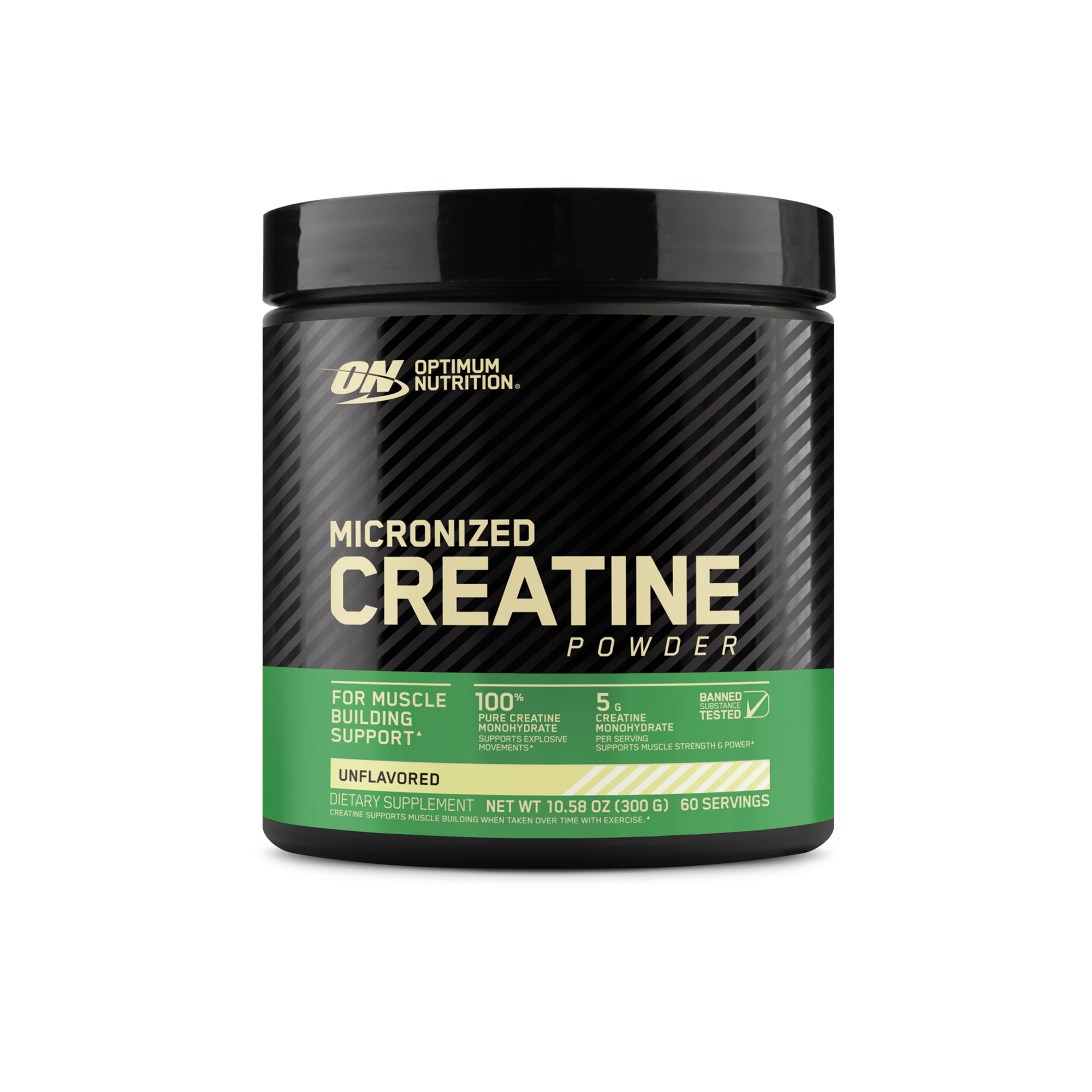
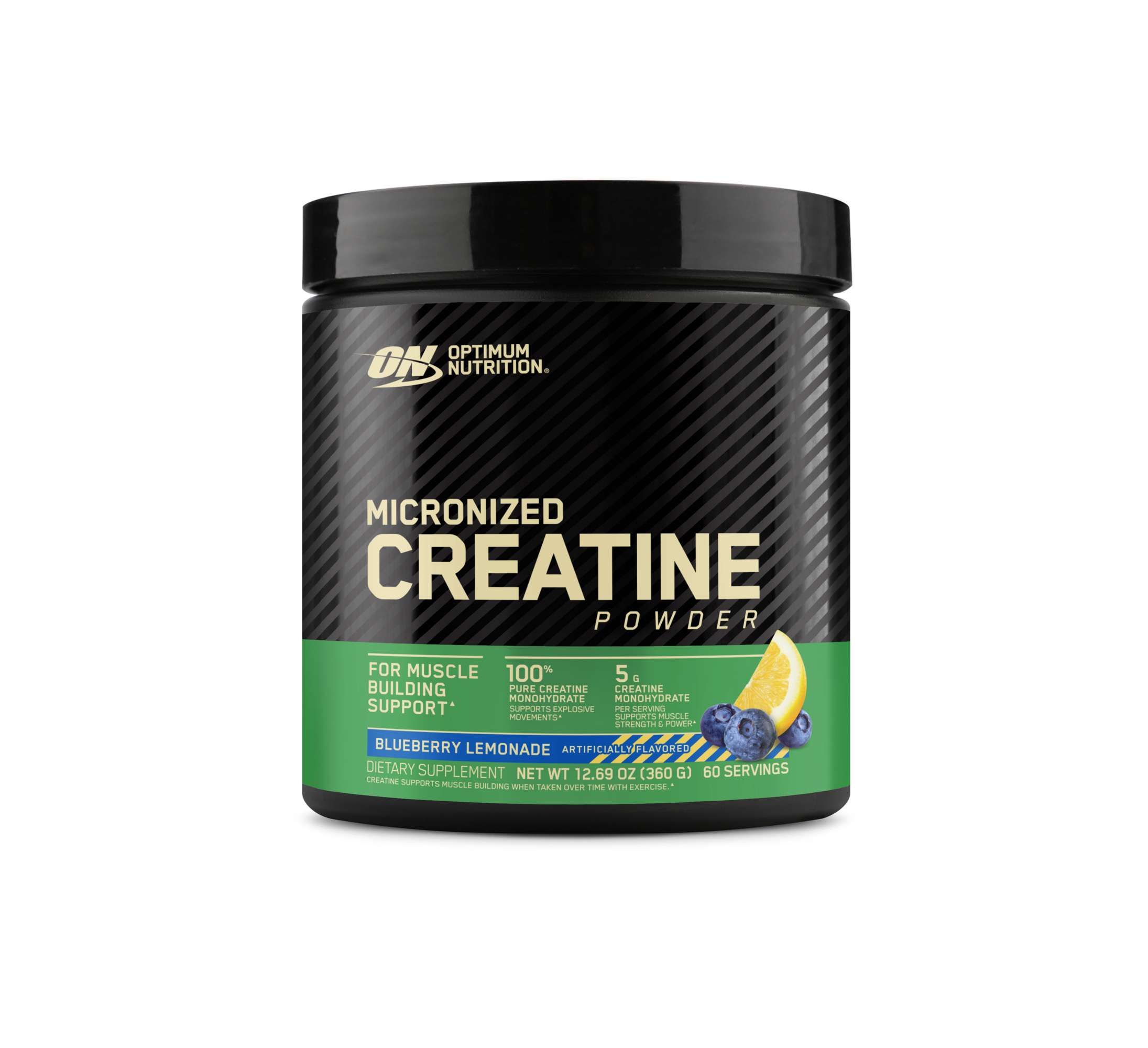
Creatine is well-supported to help increase high-intensity performance. As the #1 Creatine Brand in the U.S., Optimum Nutrition delivers one of the most effective and trusted performance supplements available. Creatine helps improve high-intensity exercise capacity, supports lean muscle building, and powers your training from start to finish. Take 3-5 grams of Optimum Nutrition Creatine Monohydrate daily to fuel explosive movements, sustain performance, recover faster, and keep your muscles energized when you are training your hardest.
![Creatine [+]](http://www.optimumnutrition.com/cdn/shop/files/on-1157997_Image_01.png?v=1755795928&width=2000)