

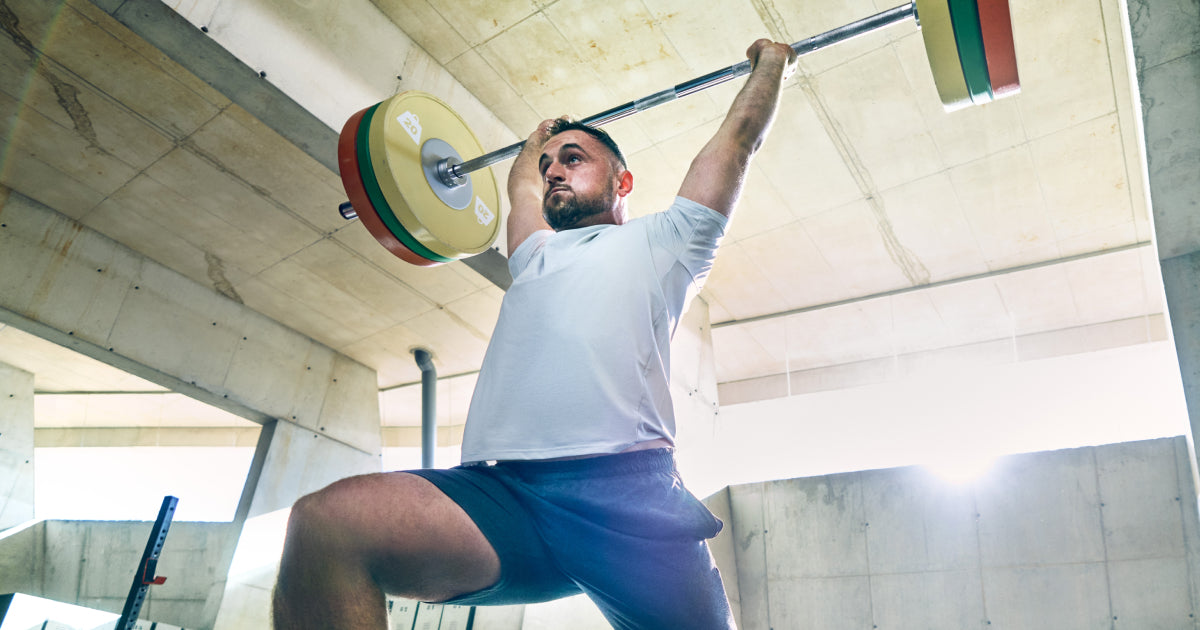
Protein plays a key role in supporting muscle health for all active adults, from strength and endurance athletes to those focused on everyday wellness. It supports muscle health and recovery whether you train intensely or simply stay active through daily life. But its role extends far beyond muscle. Protein is involved in countless functions throughout the body that help keep us strong.
Whether your goal is to build strength, improve performance, or maintain overall wellness, whey protein isolate offers a premium, convenient, and fast-digesting way to support your body and your goals. It can help you recover after exercise, meet daily protein needs, and maintain muscle. Let’s explore how whey protein isolate works and why it deserves a place in your nutrition routine.
What is Whey Protein Isolate
Whey is one of the two proteins naturally found in milk, along with casein. About 20% of milk protein is whey and the remaining 80% is casein. Whey is the liquid portion that separates from curds during the cheesemaking process, and it can also be found naturally in many dairy foods we eat daily.
Did you know? Whey proteins are found in everyday dairy foods.
You’ll find whey in:
- Milk, buttermilk, yogurt, and kefir
- Cheese and cottage cheese
- Milk-based desserts such as pudding and frozen yogurt
Whey protein isolate (WPI) is an isolated form of whey created by filtering out much of the carbohydrates and fat naturally found in milk. This filtration process results in a protein powder that is up to 90% protein by dry weight.
Whey protein isolate is especially beneficial for those who want to manage calorie, carbohydrate, or fat intake while still supporting muscle growth and recovery. It can fit easily into many nutrition plans, including weight management, keto, intermittent fasting, and more.
Benefits of Whey Protein Isolate
Whey protein isolate stands out as one of the most premium and versatile protein sources available. Its unique composition offers several key benefits that support both performance and overall wellness:
- Complete amino acid profile: Provides all nine essential amino acids that must be obtained through the diet to support muscle repair and growth.
- Rich in BCAAs: Naturally high in branched chain amino acids including leucine, isoleucine, and valine in a 2:1:1 ratio, the same balance found in milk and in human muscle tissue.
- Fast digesting: Whey protein isolate digests more quickly than casein, making it ideal for fast post-workout recovery. There is no significant difference in digestion rate compared to whey protein concentrate or hydrolyzed whey.
- Fast absorbing: Amino acid levels in the bloodstream typically peak about one hour after consuming whey protein isolate.
- Whey protein isolate doesn’t just benefit athletes. Its fast-digesting and complete amino acid profile make it useful for anyone looking to support healthy aging and overall wellness - in addition to muscle recovery and performance.

How Whey Protein Isolate Supports Muscle Recovery and Growth
Never underestimate the importance of muscle. It allows us to move, stand tall, and power through everyday activities. Beyond strength and movement, muscle also supports a healthy metabolism, bone density, balance, and healthy aging. Maintaining muscle is not just for athletes; it is essential for everyone.
Fun fact: muscle makes up roughly 40% of total body weight in healthy adults and is composed primarily of protein.
Physical activity is one of the most effective ways to build and protect muscle. Strength training stimulates growth by creating small amounts of stress or microtears in muscle fibers. This is where protein, and particularly whey protein isolate, comes in. Exercise triggers the need for recovery and rebuilding, and protein provides the raw materials for that process.
Whey protein isolate delivers all the essential amino acids your body needs to stimulate muscle protein synthesis, the process responsible for recovering and strengthening muscle tissue after activity. Because it digests quickly and is rich in leucine, whey protein isolate is especially effective for supporting recovery after training.
Protein in the Body
While whey protein isolate is best known for supporting muscle recovery and growth, protein itself plays a much broader role in the body. After protein is consumed, it has the potential to carry out many different functions throughout the body. While most people associate it with building muscle, protein is one of the body’s most essential macronutrients and truly serves as a building block for life. It provides structure to tissues, supports countless chemical reactions through enzymes, and helps regulate many of the body’s vital systems.
Did you know? There are tens of thousands of different proteins in the human body, each with unique roles that help you function every day.
Key roles of protein include:
- Building and maintaining muscle, bone, skin, hair, and nails
- Forming enzymes, hormones, and antibodies that regulate vital functions
- Supporting the immune system by helping produce infection-fighting antibodies and immune cells
- Transporting oxygen and nutrients throughout the body
- Providing structure and elasticity to tissues like skin and connective tissue
- Serving as an energy source when carbohydrate and fat stores are low
Protein powers nearly every system in the body, performing thousands of essential tasks beyond building muscle. How it’s used depends on what your body needs at that moment and the balance of your overall diet. When carbohydrates or fats are low, protein can be converted for energy instead of supporting muscle recovery. That’s why maintaining balance across all three macronutrients (protein, carbohydrates, and fats) is key. Understanding your personal needs helps ensure you are fueling your body adequately.
Discover how much protein you need here.
Making the Most of Whey Protein Isolate
Whey protein isolate provides a convenient, efficient way to meet your daily protein needs. Its complete amino acid profile and fast digestion make it an excellent choice for muscle recovery and support. Tips to maximize results:
- Use whey protein isolate after workouts to help support muscle recovery
- Distribute protein intake evenly across meals and snacks throughout the day
- Combine with progressive strength or resistance training
- Pair with nutrient-dense whole foods to balance your diet
- Stay consistent over time for best results
Consistency is one of the most important factors in building muscle. Progress doesn’t happen overnight, it can take weeks or even months. What truly matters is what you put into the process, and it’s not just about diet or protein alone. Whey protein by itself won’t build more muscle; results come from a combination of training, nutrition, hydration, recovery, sleep, and stress management. Stay focused on your goal, create a plan that fits your needs, and stay committed to achieving it.
Summary
Protein plays an essential and far-reaching role in the body, supporting much more than muscle. It contributes to structure, recovery, and regulation across every system, helping the body perform at its best each day. All healthy adults need protein, whether active or not, and those with higher activity levels often require more to support recovery and performance. A food-first approach is always best, but whey protein isolate can be a useful supplement to help fill gaps in your diet and provide a premium, convenient way to know exactly how much protein you are getting.


