No.1 sports nutrition brand*
*Euromonitor Intl. Consumer Health 2025, Sports Nutrition.
100,000+ quality tests
Carried out every year
40 years
Of proven sports nutrition expertise
Free shipping
On orders over €55


New arrivals
Protein, creatine, electrolytes and more


Real People. Real Results.
Trusted by millions worldwide.

Tastes great
This is by far the best tasting protein powder I've had. The texture of it is also first class, smooth and no graininess like a lot of other brands.
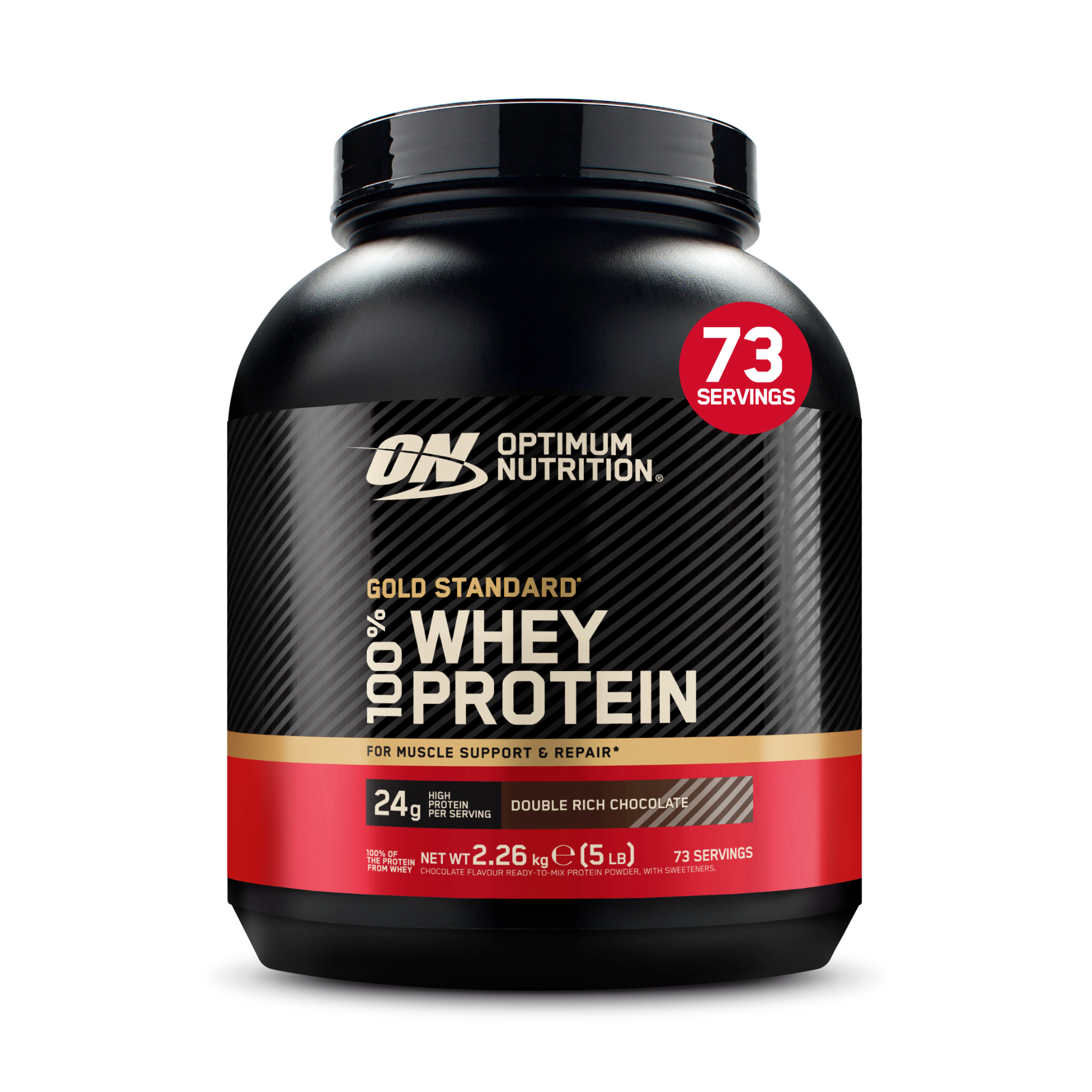
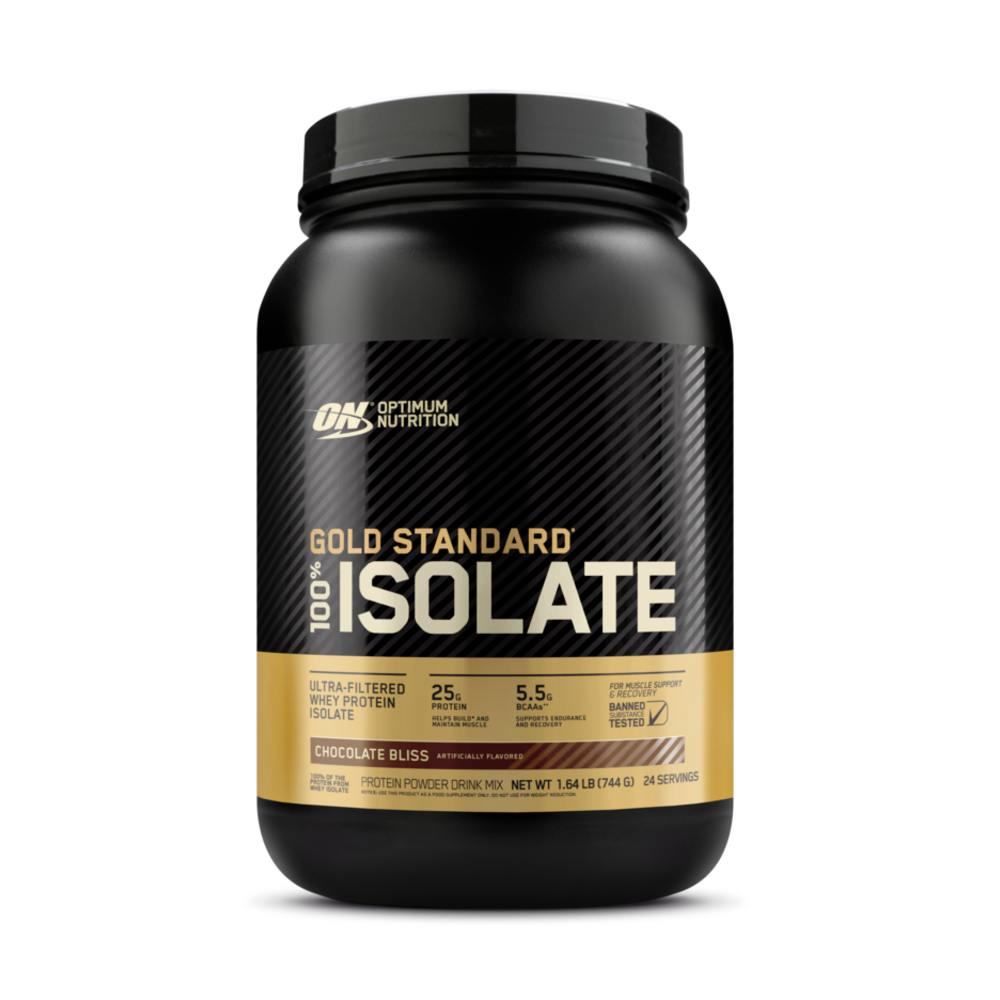
Shop Gold Standard Whey
The best
Finally found a protein that doesn't feel like drinking a milkshake. Super refreshing, mixes really well, and the peach flavour is spot on without being too sweet.
Shop Clear Protein
Daily supplement
Exactly what is says. No added extras, dissolves in water fairly easy and has next to no taste. I take 1 scoop everyday with water but can put this in anything.
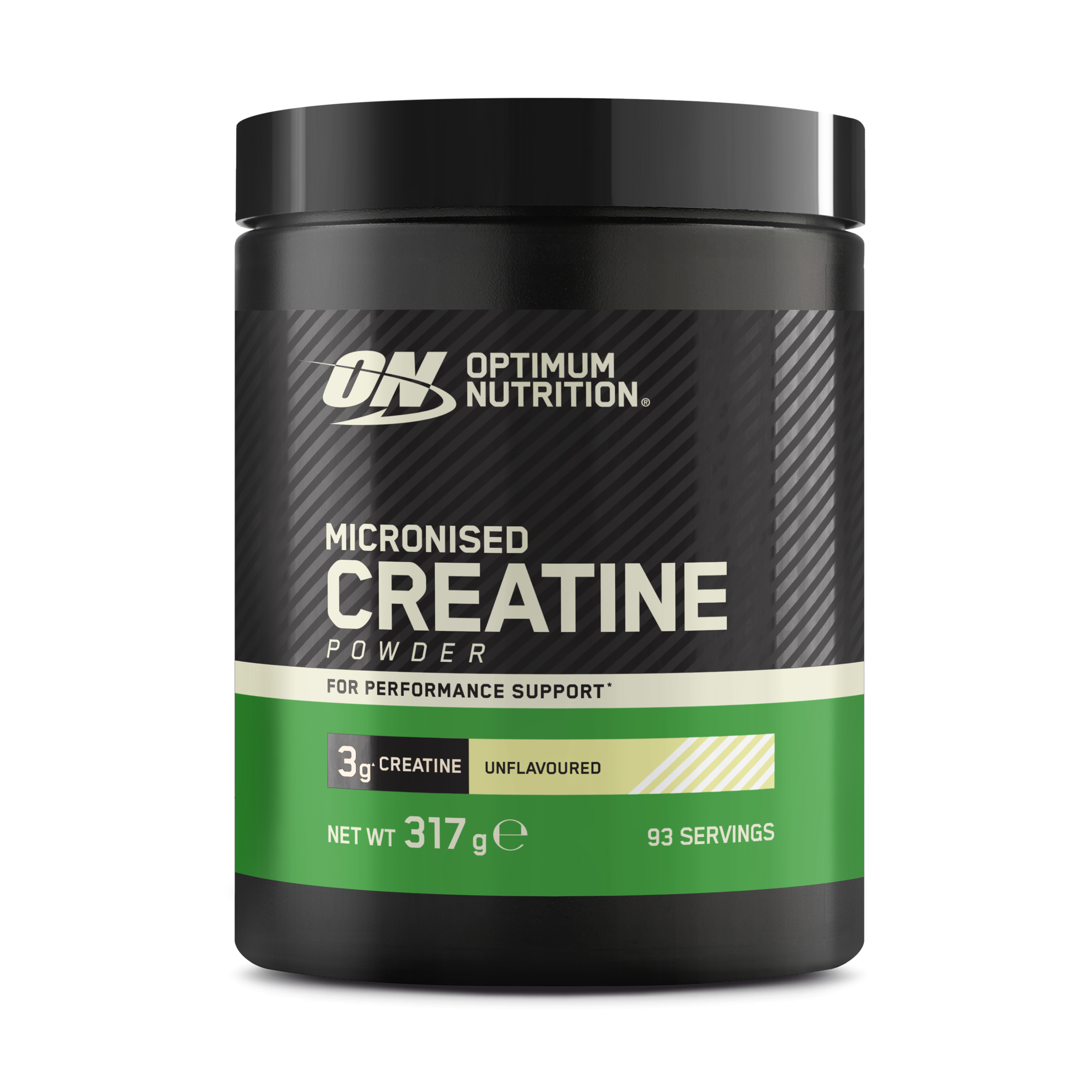
Shop Creatine
Exceptional product
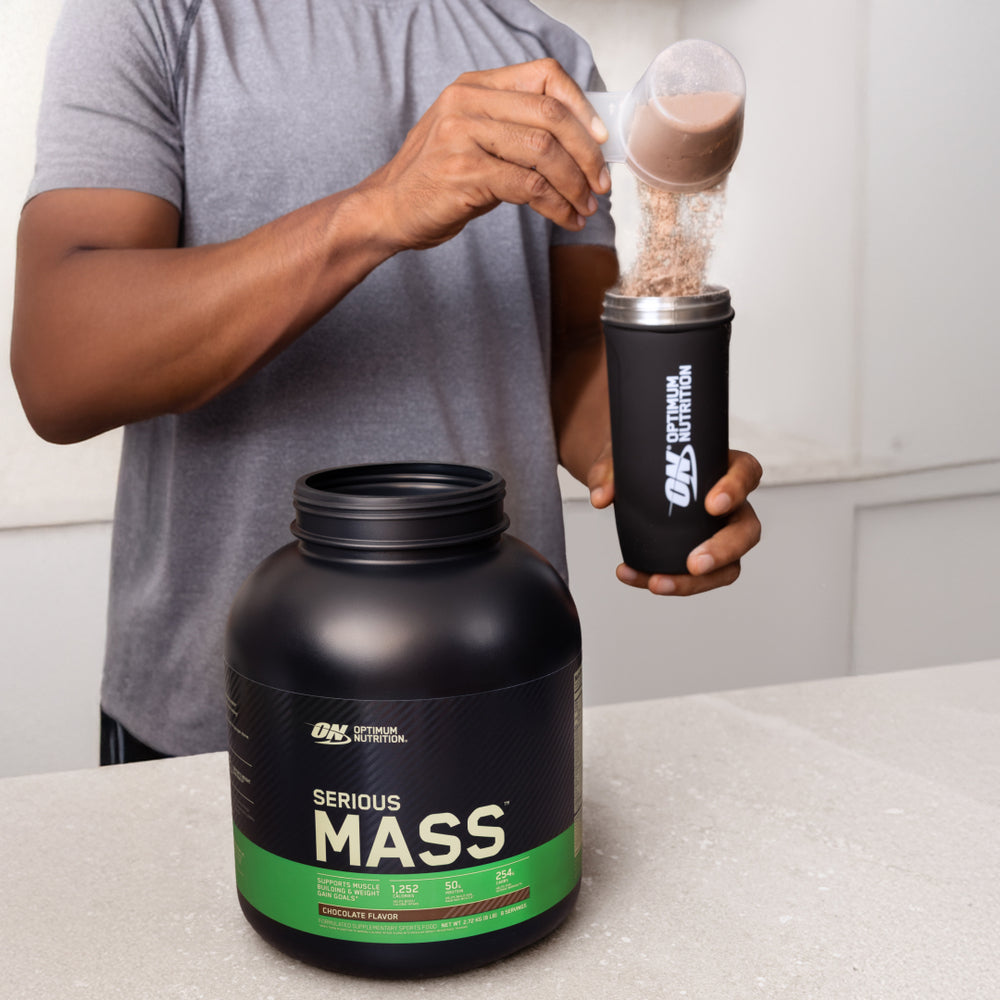
It was exactly what I needed. Not just any protein, but a super-caloric gainer for my bulking phase and muscle growth.
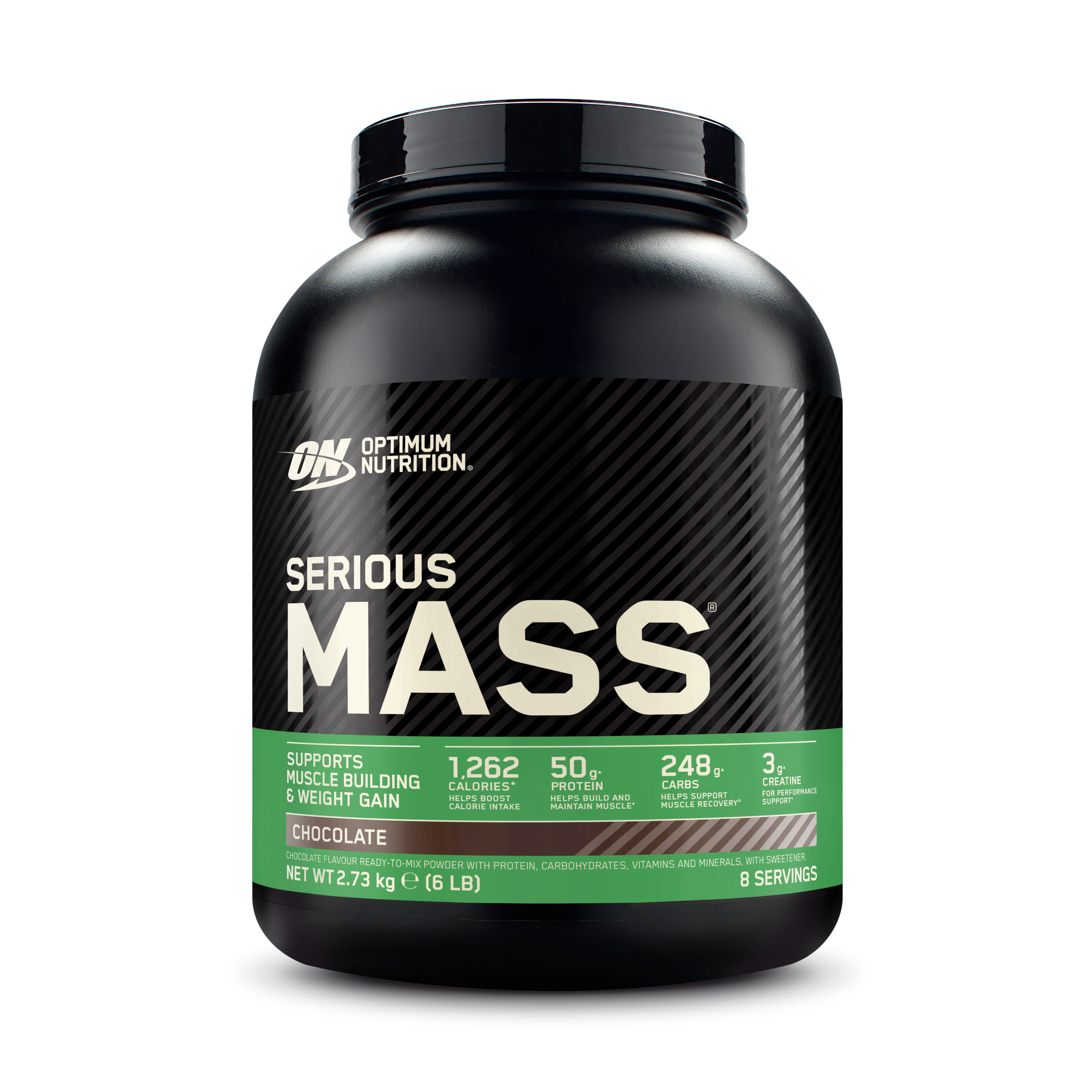
Shop Serious MassFor Every Stage of Training


Bestsellers


Expert Insights & Recipes
Discover performance stories, protein-packed recipes and expert nutrition tips.

Mathias is one of Denmark’s most respected Hyrox athletes, known for combining elite-level performance with a passion for helping others improve. Through years of dedicated training and competition, he has established himself among the strongest athletes in the Nordic Hyrox community, consistently delivering impressive performances on some of the sport’s biggest stages.
Read More
Für das Kompott die Sommerbeeren, den feinen Zucker, das Wasser und das Gold Standard 100% Whey Proteinpulver in einen kleinen Topf geben. Unter ständigem Rühren zum Kochen bringen, bis alles gut vermischt ist. 2–3 Minuten köcheln lassen, bis das Kompott eingedickt ist. Für den French Toast Eier, Milch, Vanilleextrakt und das Gold Standard 100% Whey Proteinpulver glatt verrühren. Die Mischung in eine breite, flache Schüssel geben und das Brot hineinlegen. Das Brot eine Minute lang die Eiermischung aufsaugen lassen, anschließend wenden und auf der anderen Seite wiederholen, bis das Brot vollständig mit der Mischung bedeckt ist. Etwas Öl in eine große Pfanne sprühen und bei hoher Hitze erhitzen. Das eingeweichte Brot hineingeben. (Bei Bedarf portionsweise braten.) Einige Minuten auf jeder Seite braten, bis es schön goldbraun ist. Aus der Pfanne nehmen, in Dreiecke schneiden und mit dem Beerenkompott servieren.
View Recipe
When it comes to competing in endurance races, your race day nutrition strategy is arguably equally as important as your training day strategy. Below are some tips that can help you get the adjustment right come the starting line and let your nutrition fuel your performance for a great finishing time:
When it comes to competing in endurance races, your race day nutrition strategy is arguably equally as important as your training day strategy. Below are some tips that can help you get the adjustment right come the starting line and let your nutrition fuel your performance for a great finishing time:
The days prior to race day should be used to carbohydrate load. During training, many athletes manipulate carbohydrates to elicit further training adaptation. However, when it comes to race day, your aim should be to increase your carbohydrate intake significantly in the 24–36 hours prior to the event to between 7–10g per kg of body weight1. For example, an 80kg athlete would need between 560g–800g of carbohydrates. To achieve such high amounts, focus on low-fibre sources to aid digestion and reduce satiety. Examples include basmati rice, pasta, white bread, cereal, or sports drinks.
Caffeine
Caffeine has been shown to improve endurance performance and should be consumed 60 minutes prior to the event. The dosage depends on individual preference and tolerance but should always be tested during training first. Doses between 3mg–6mg per kg of body weight have been shown to aid endurance performance2. This means a 60kg athlete should consume between 120mg–360mg of caffeine. Good sources include coffee, caffeine tablets, or pre-workout energy drinks. The table below shows average caffeine content from common sources:

Snacking
Snacks are a convenient way of increasing carbohydrate intake during both the loading phase and the event. Options such as sports drinks, bananas, energy gels, dried fruit, or sugary sweets are all effective. During the race, aim to consume up to 60g of carbohydrates per hour to support performance. Examples include two large bananas, one litre of sports drink, 90g of dried fruit, or 60g of jelly beans. Snacking during the event can sometimes cause stomach upset, so test all race-day strategies in training. If you experience continued issues, try mouth-rinsing a sports drink for five seconds — this has been shown to improve performance even without swallowing.
Hydration
You should aim to start the race fully hydrated, as beginning dehydrated can impair performance. As a guide, slowly drink 5–10ml of fluid per kg of body weight (e.g., 350–700ml for a 70kg athlete) 2–4 hours before the event. It’s also important to maintain fluid intake during the race, as even a 2% loss can affect endurance3. As a general guideline, drink 100–200ml every 15 minutes, adjusted to your tolerance and experience. Sports drinks containing electrolytes can help replace lost fluid and provide carbohydrates during longer efforts.

Post-Race Nutrition
Once the race is completed, your focus should switch to recovery. Eating a meal that combines protein and carbohydrates is optimal. Aim to consume 0.4g/kg of protein and 0.8–1.2g/kg of carbohydrate after the race. The combination of both has been shown to best support recovery4. For example, a 70kg athlete should consume about 28g of protein and 56–84g of carbohydrates. You can calculate your specific protein needs with our protein calculator. Examples of balanced recovery meals are shown below:


It’s important to remember that nutrition is highly individual. What works for one athlete might not work for another. That’s why it’s crucial to test all race-day strategies in training. By finding what works best for you ahead of time, you’ll feel confident and prepared on race day — one less thing to worry about. Control the controllable!
If you’re a PT and want to expand your nutritional knowledge, enrol in the Optimum Nutrition for Health and Performance course. It’s ten one-hour modules designed to help you empower your clients with evidence-based advice. Sign up today.
NOTE: The following information is for educational purposes only and does not reflect the opinion of Glanbia Performance Nutrition, nor is it intended for product marketing purposes.
References
- Bussau, V.A. et al. (2002). Carbohydrate loading in human muscle: an improved 1-day protocol. European Journal of Applied Physiology, 87(3), pp.290-295.
- Desbrow, B. et al. (2012). The effects of different doses of caffeine on endurance cycling time trial performance. Journal of Sports Sciences, 30(2), pp.115-120.
- Cheuvront, S.N. & Sawka, M.N. (2005). Hydration assessment of athletes. Sports Sci Exchange, 18(2), pp.1-6.
- Zawadzki, K.M. et al. (1992). Carbohydrate-protein complex increases the rate of muscle glycogen storage after exercise. Journal of Applied Physiology, 72(5), pp.1854-1859.